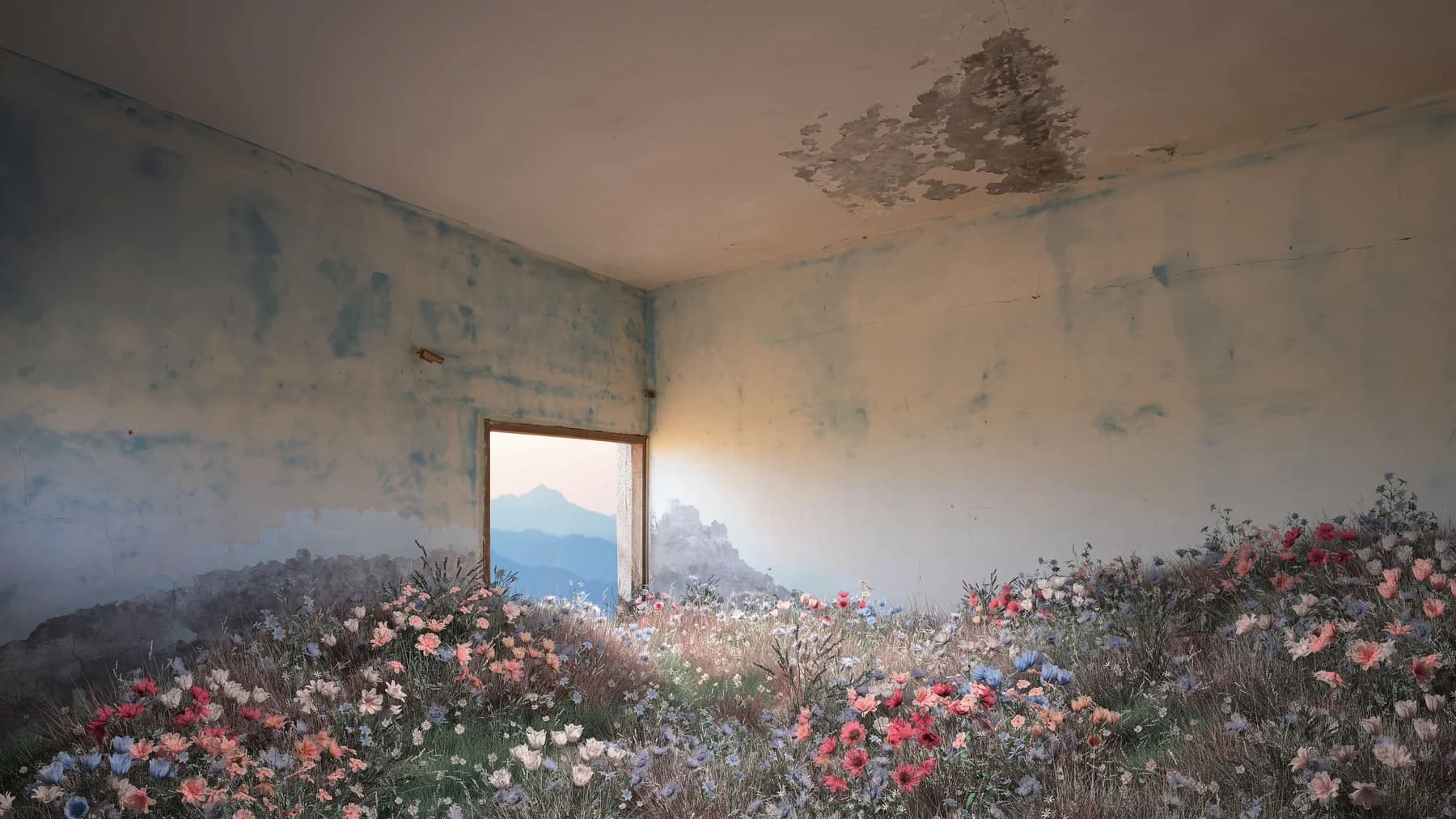
L’Horloge ou la Mécanique des Seuils
2025
Volumetric video
Full HD: 1920 × 1080

Exhibition · Paris
to
A group show curated by Marlène Corbun
Between the physical and the virtual, the familiar and the strange, lies a threshold, a space Michel Foucault once called heterotopic. This exhibition gathers Benjamin Bardou, Louis-Paul Caron, Ivona Tau, Alec Waxman, Wen New Atelier and The Wild Within to transform image into environment, code into architecture, and perception into a shifting topography where new forms emerge.
Discover the works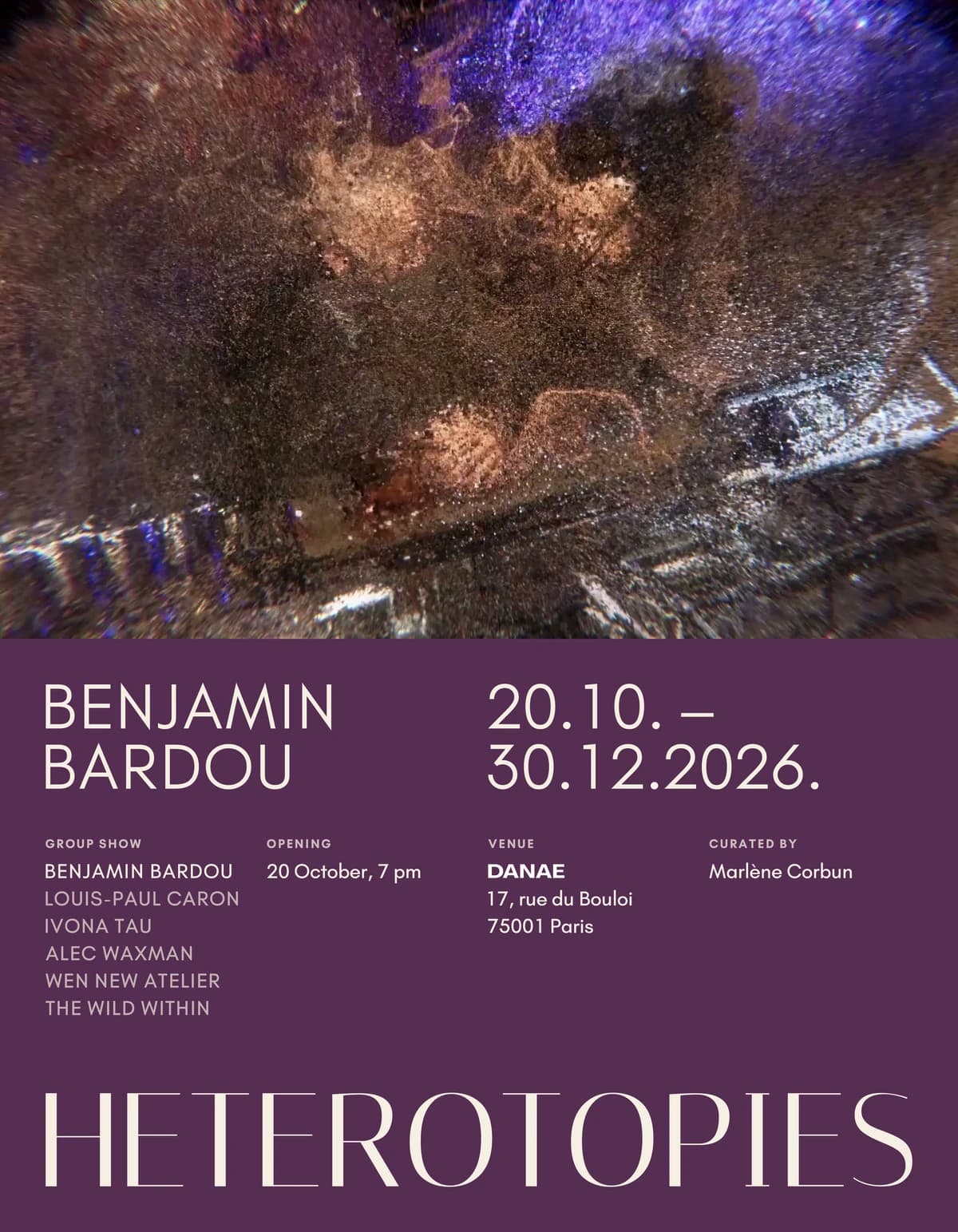
1 / 6 · Benjamin Bardou
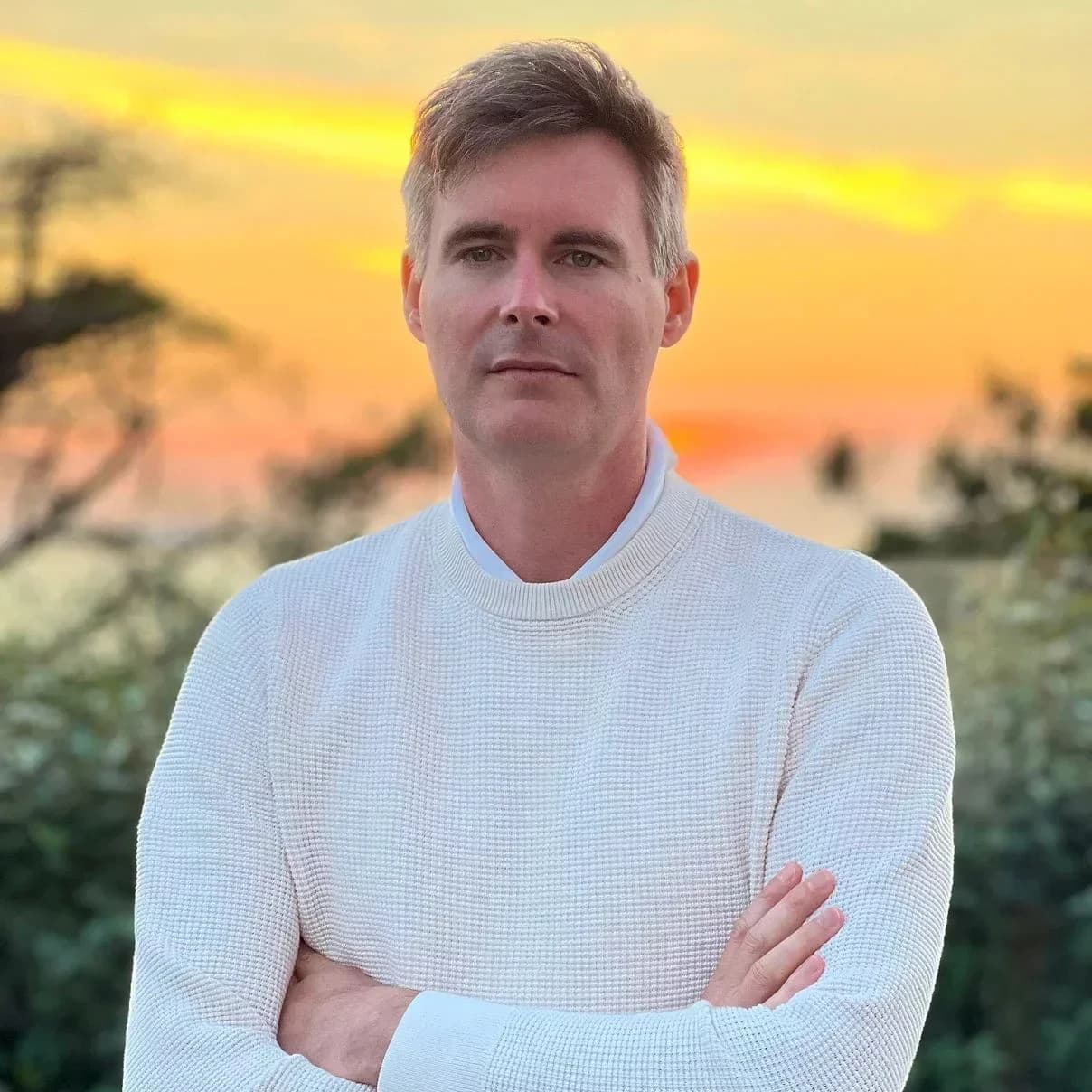
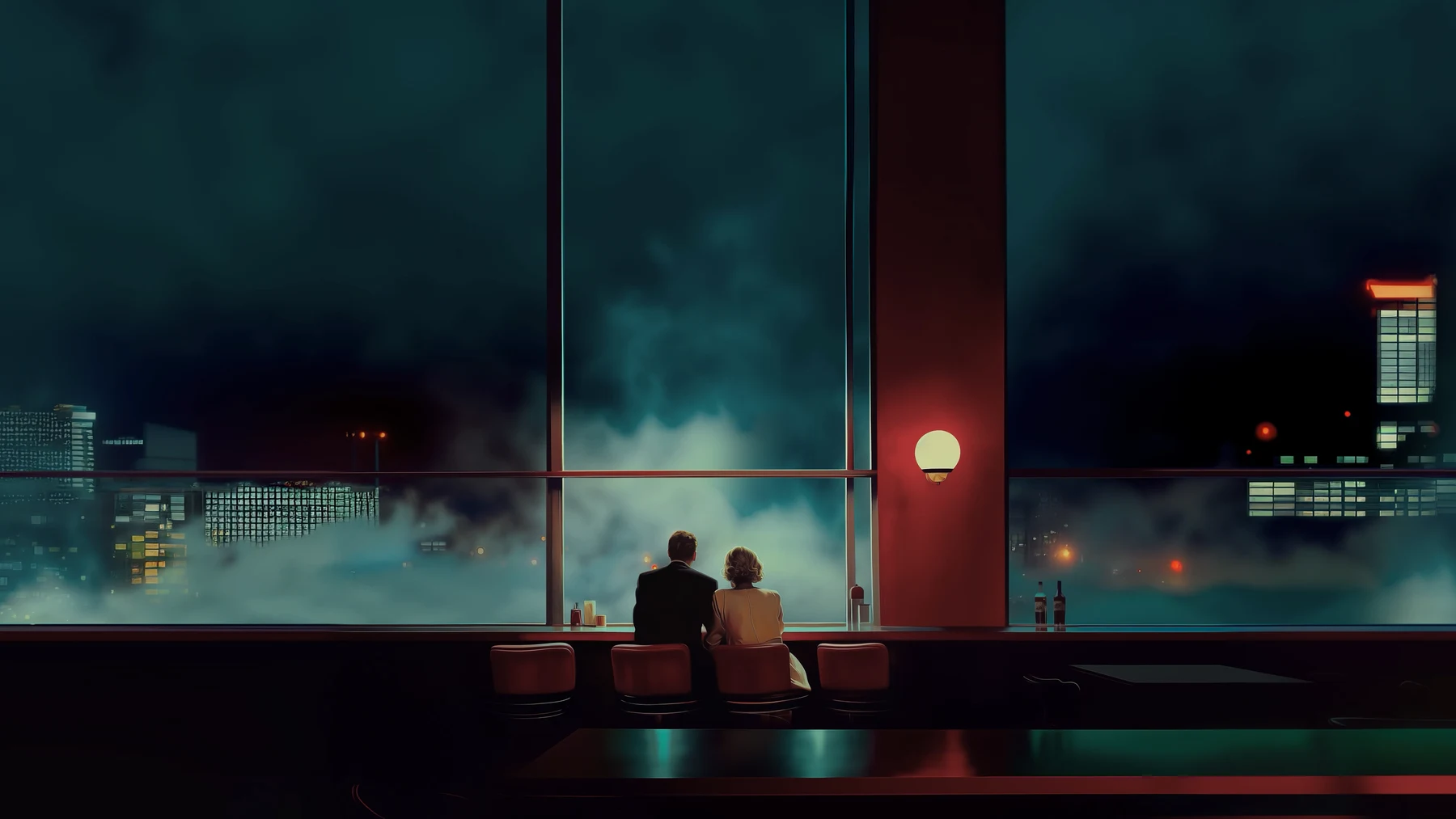
Benjamin Bardou (b. 1981) is a French artist whose work explores the intersection of memory, the city, and digital technologies. With a background in visual arts and experience in the field of visual effects, he has developed a distinctive body of work at the crossroads of cinema, painting, and artificial intelligence. Through his various projects, he investigates the persistence of images in human consciousness and the layered memories embedded in urban spaces. Using techniques such as point clouds, volumetric video, and AI-generated imagery, Bardou creates immersive fictions that unfold like waking dreams. He has collaborated with artists such as Ridley Scott, Liam Wong, and Ikumi Nakamura, and has also worked with companies like Apple, Meta and Microsoft. His work has been exhibited in museums, galleries, and festivals both in France and internationally.
2025
Volumetric video
Full HD: 1920 × 1080
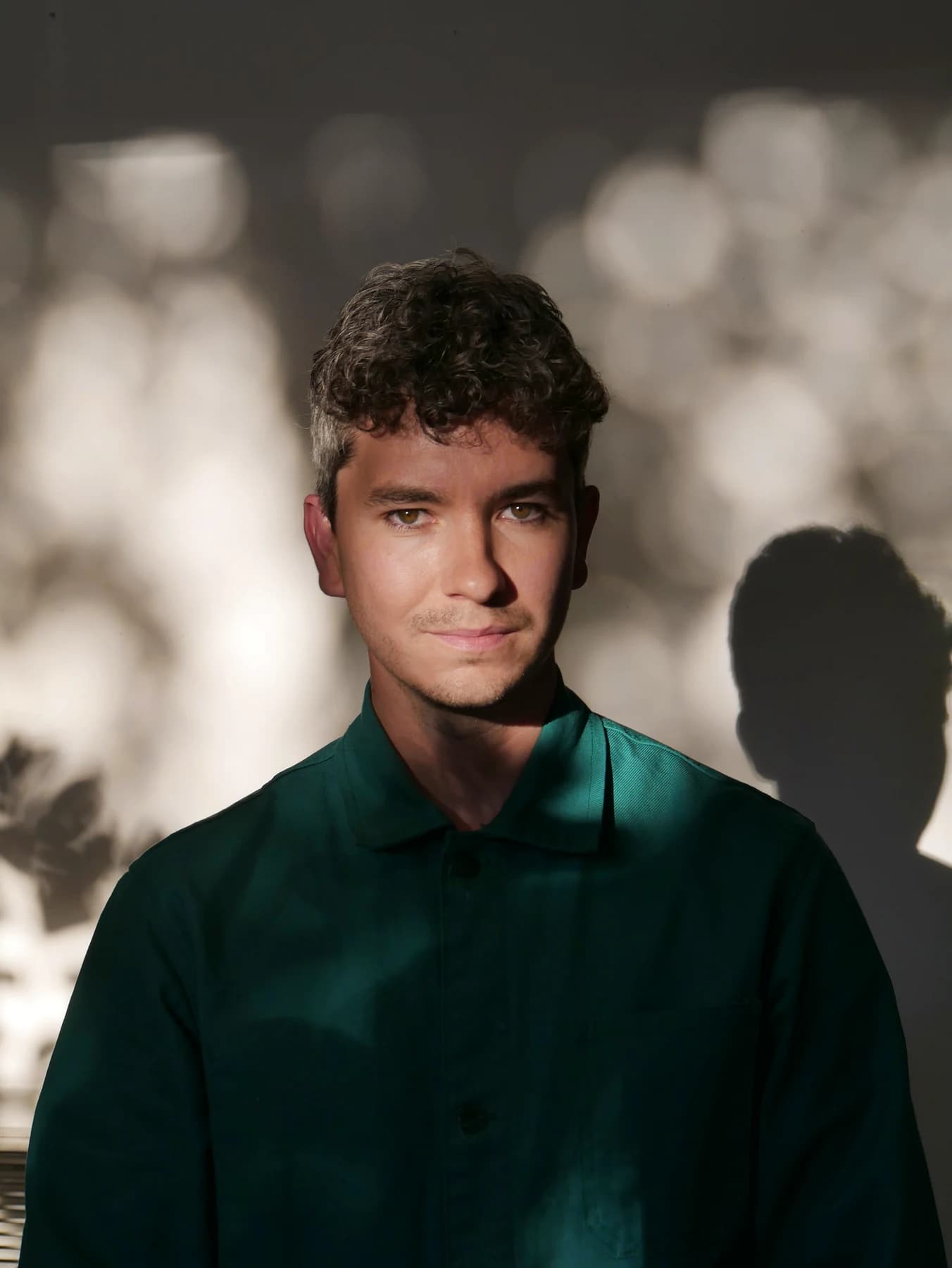
Louis-Paul Caron is a French artist exploring the connections between ecology, art and digital technologies. Through oil painting, video, and generative AI, he creates contemplative images that evoke change and ecological tensions. Inspired by the concept of solastalgia, he develops a poetic vision of the environmental collapse.
Resident of the Villa Albertine "Art in the Age of AI", he currently develops a project focused on the wildfires of Los Angeles. His work has been exhibited internationally, at Art Basel, Seoul, New York, Milan, Dubai and recently Paris Photo.
He studied digital arts and film making at the Design Academy Eindhoven, École Boulle, and ENSAD Paris.
2024
Video artwork
Full HD: 1920 × 1080 · 1 min
Includes a fine art print on Hahnemühle paper, mounted on Dibond, 140 × 80 cm, framed in an American box.
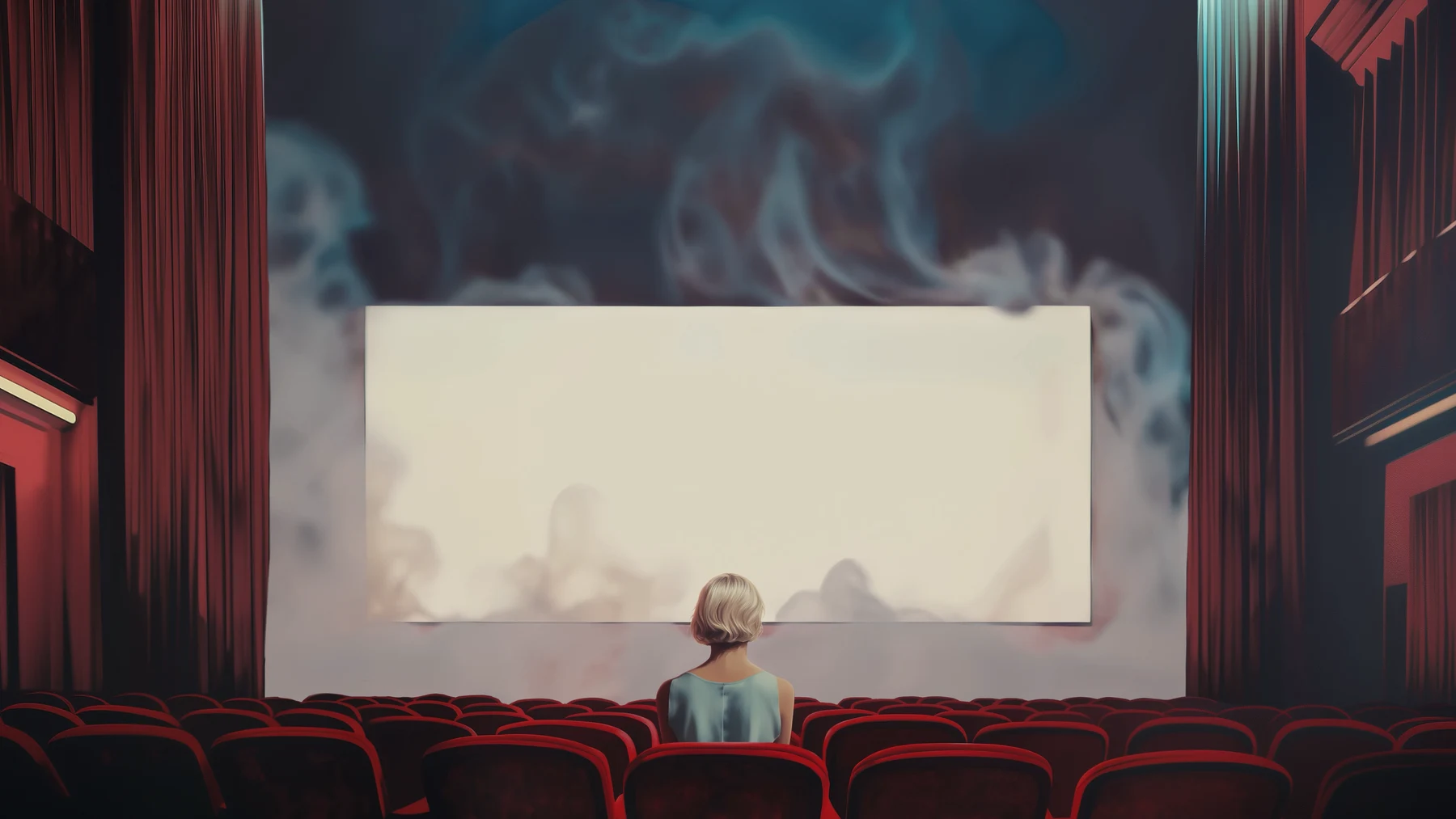
2024
Video artwork
Full HD: 1920 × 1080 · 1 min
Unique work (1/1)
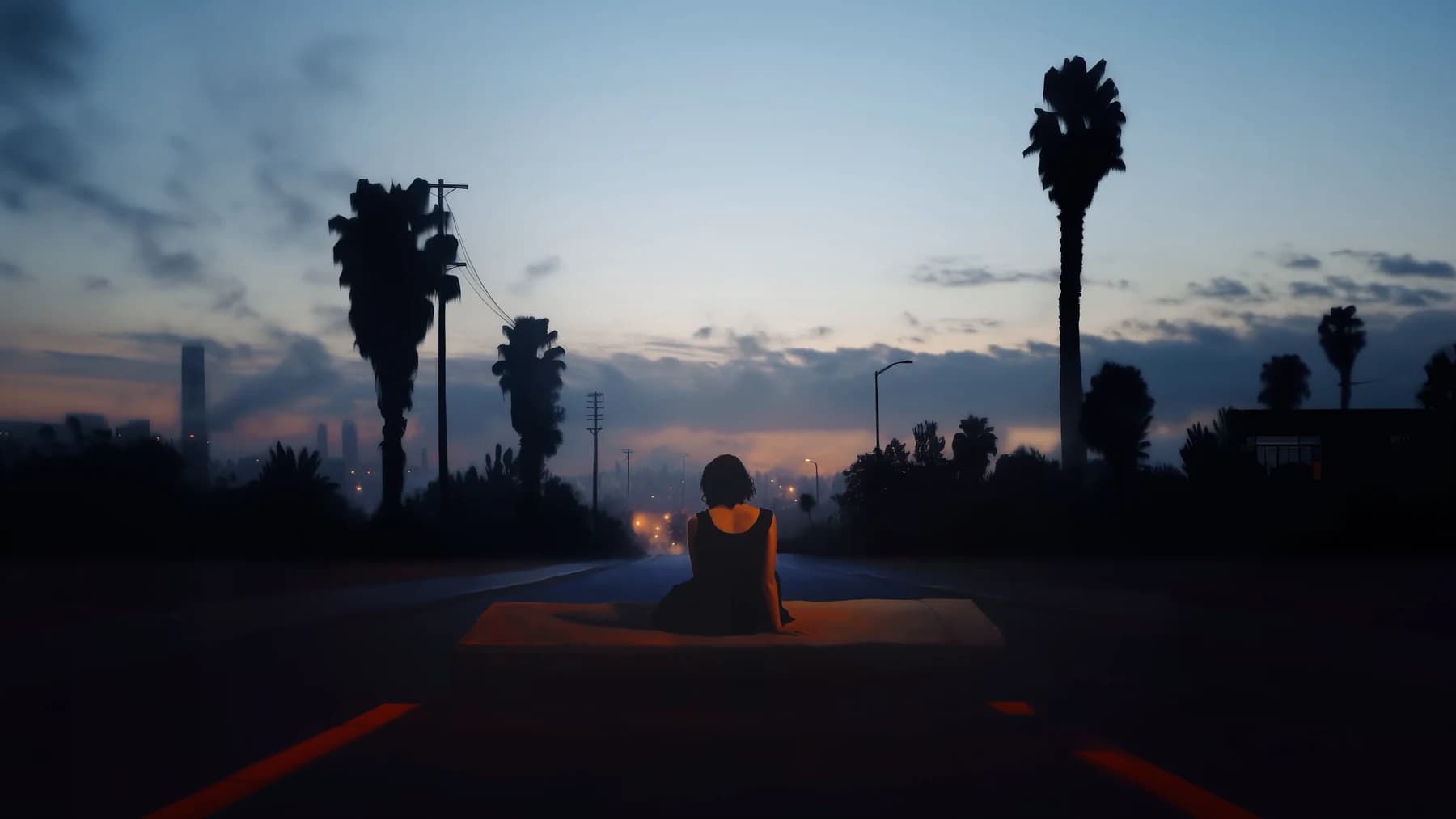
2024
Video artwork
Full HD: 1920 × 1080 · 1 min 50 s
Unique work (1/1)
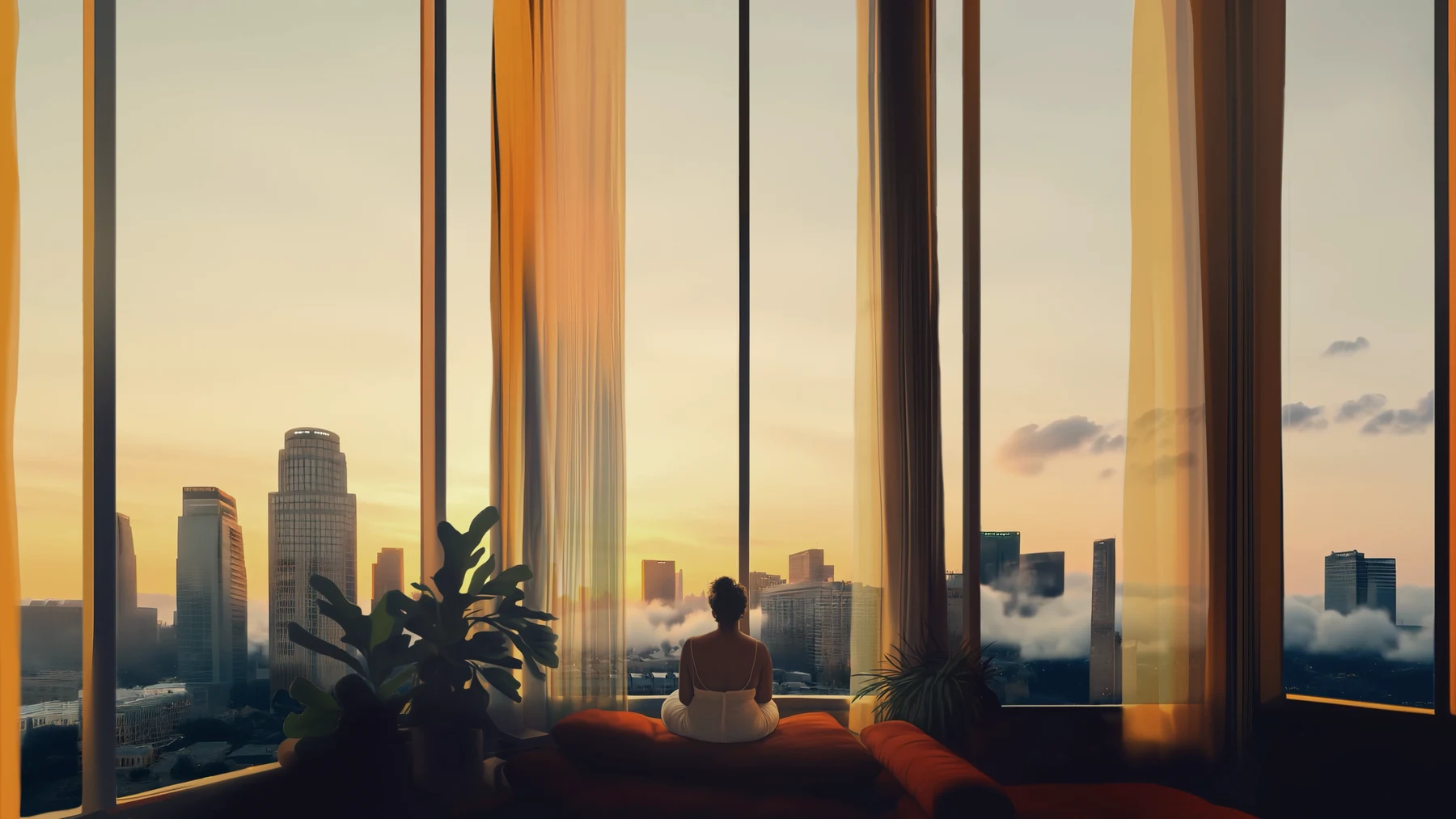
2024
Video artwork
Full HD: 1920 × 1080 · 1 min
Unique work (1/1)
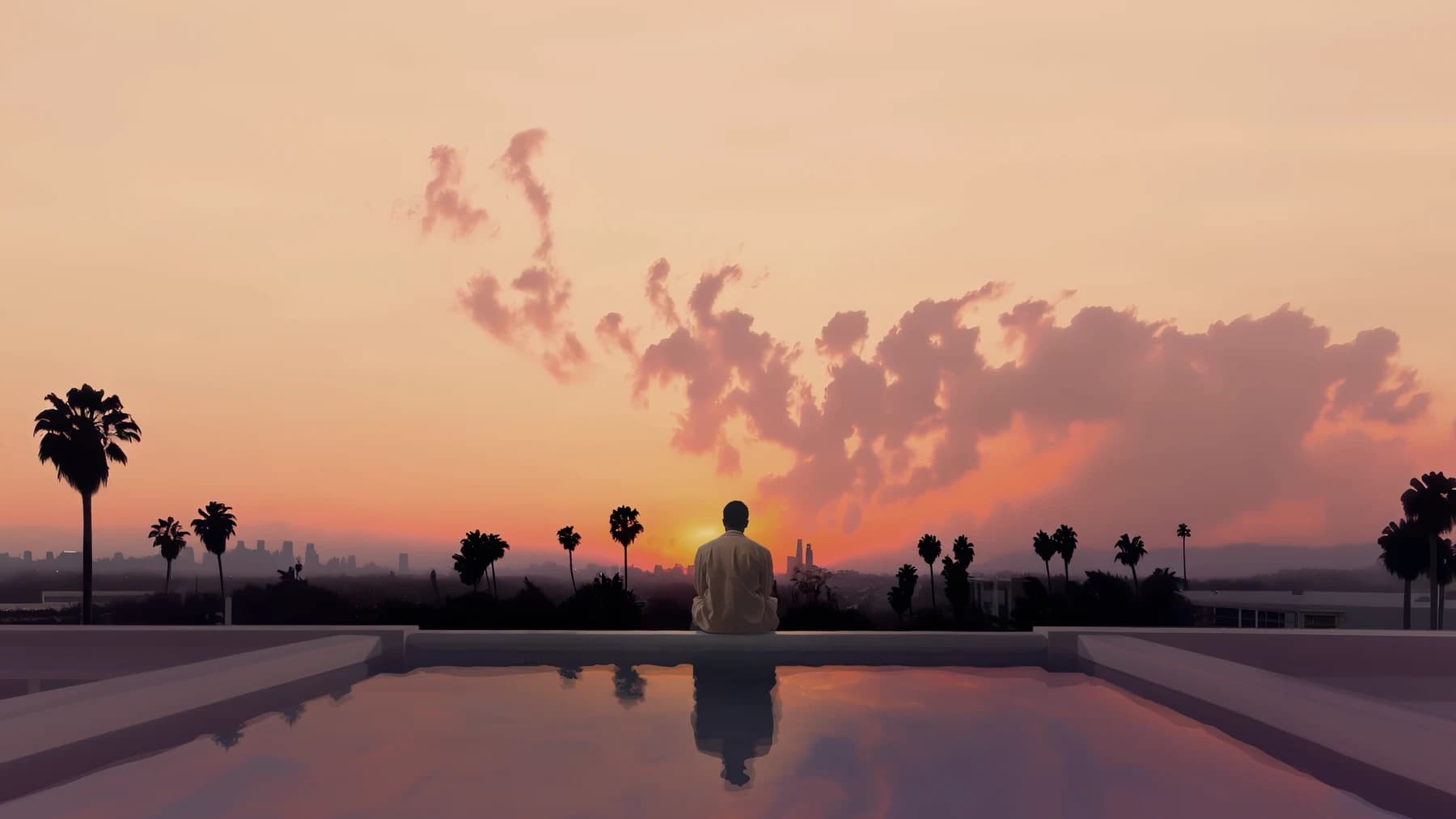
2024
Video artwork
Full HD: 1920 × 1080 · 1 min
Includes a fine art print on Hahnemühle paper, mounted on Dibond, 140 × 80 cm, framed in an American box.
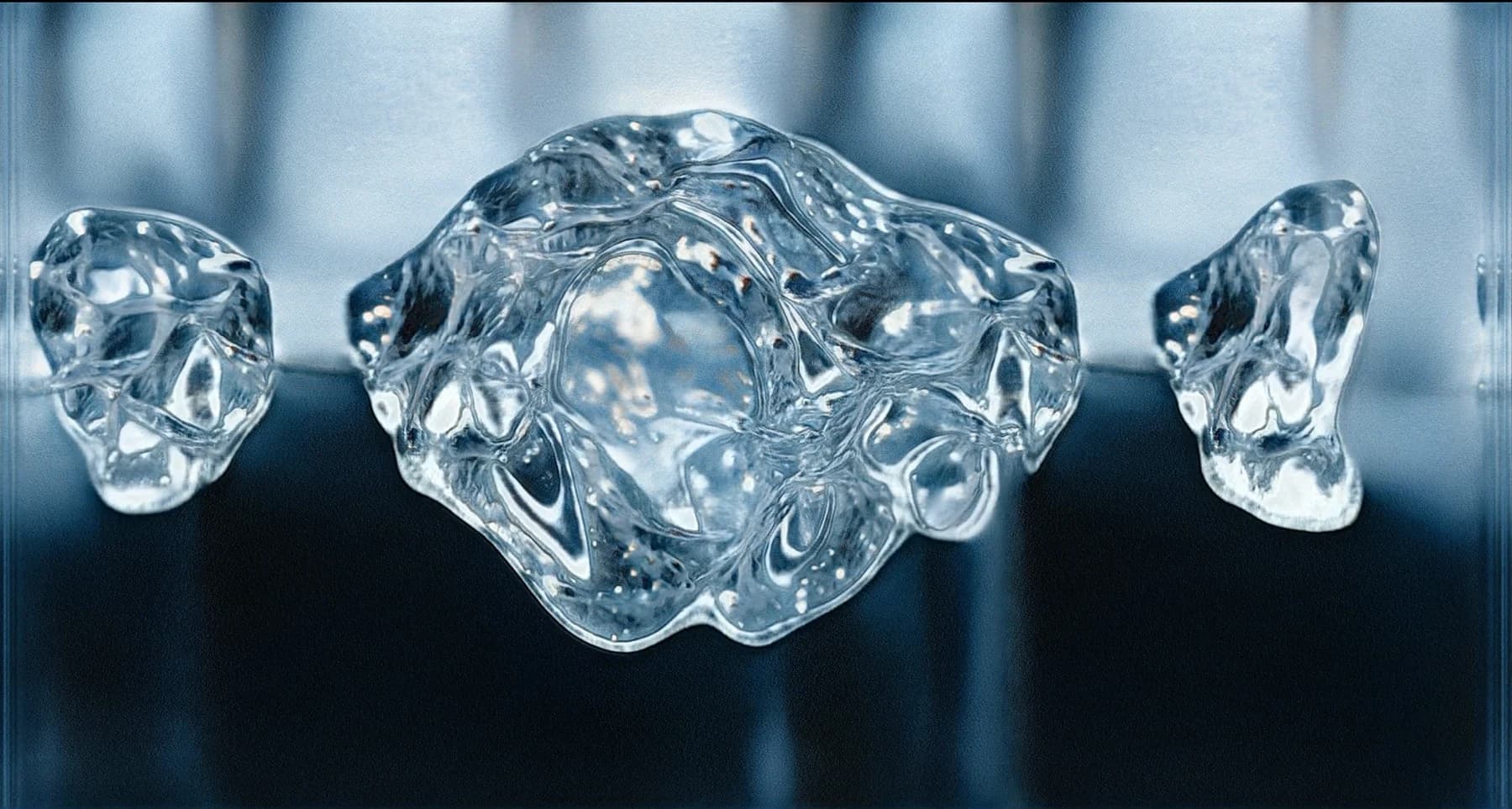
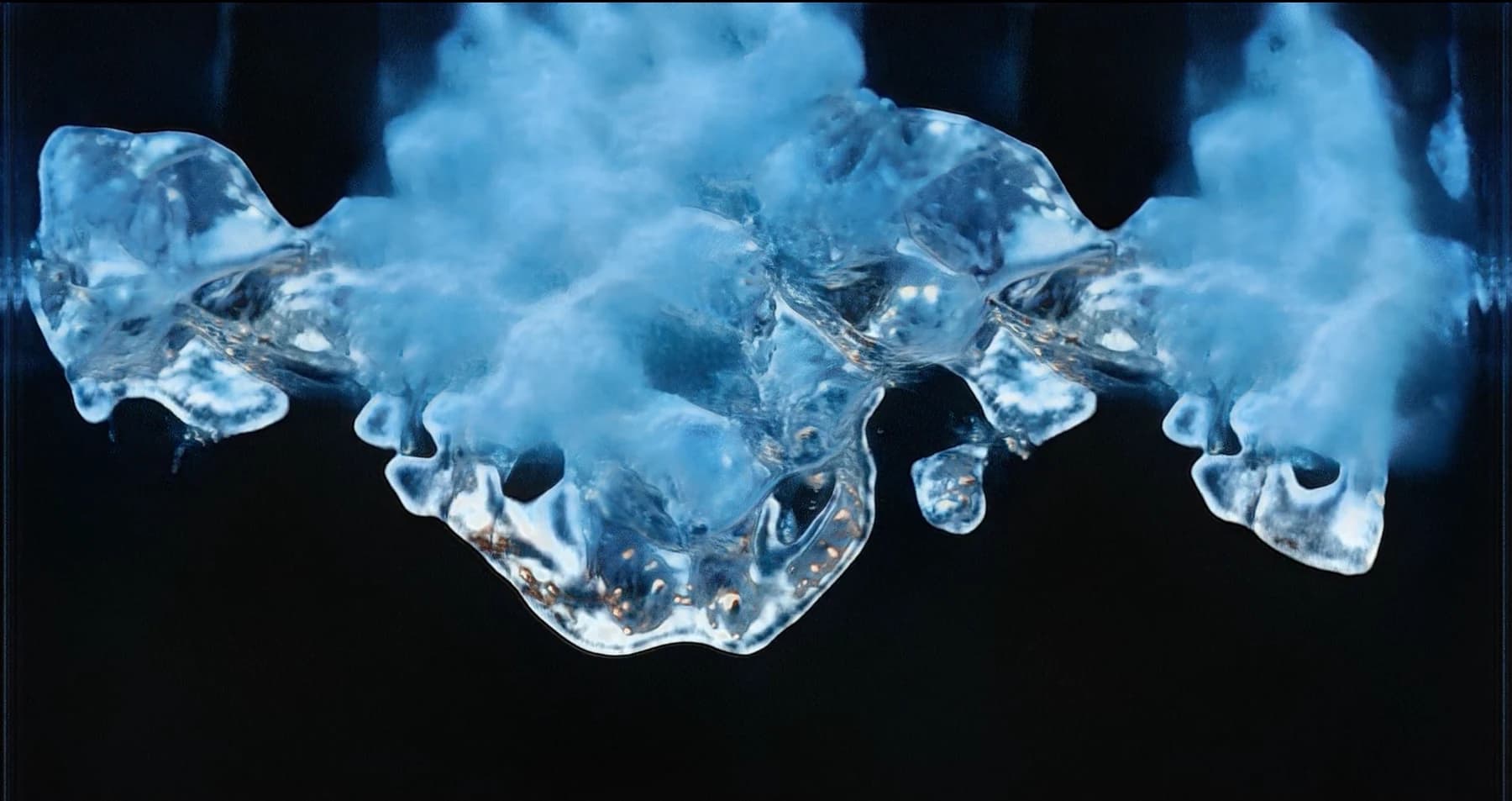
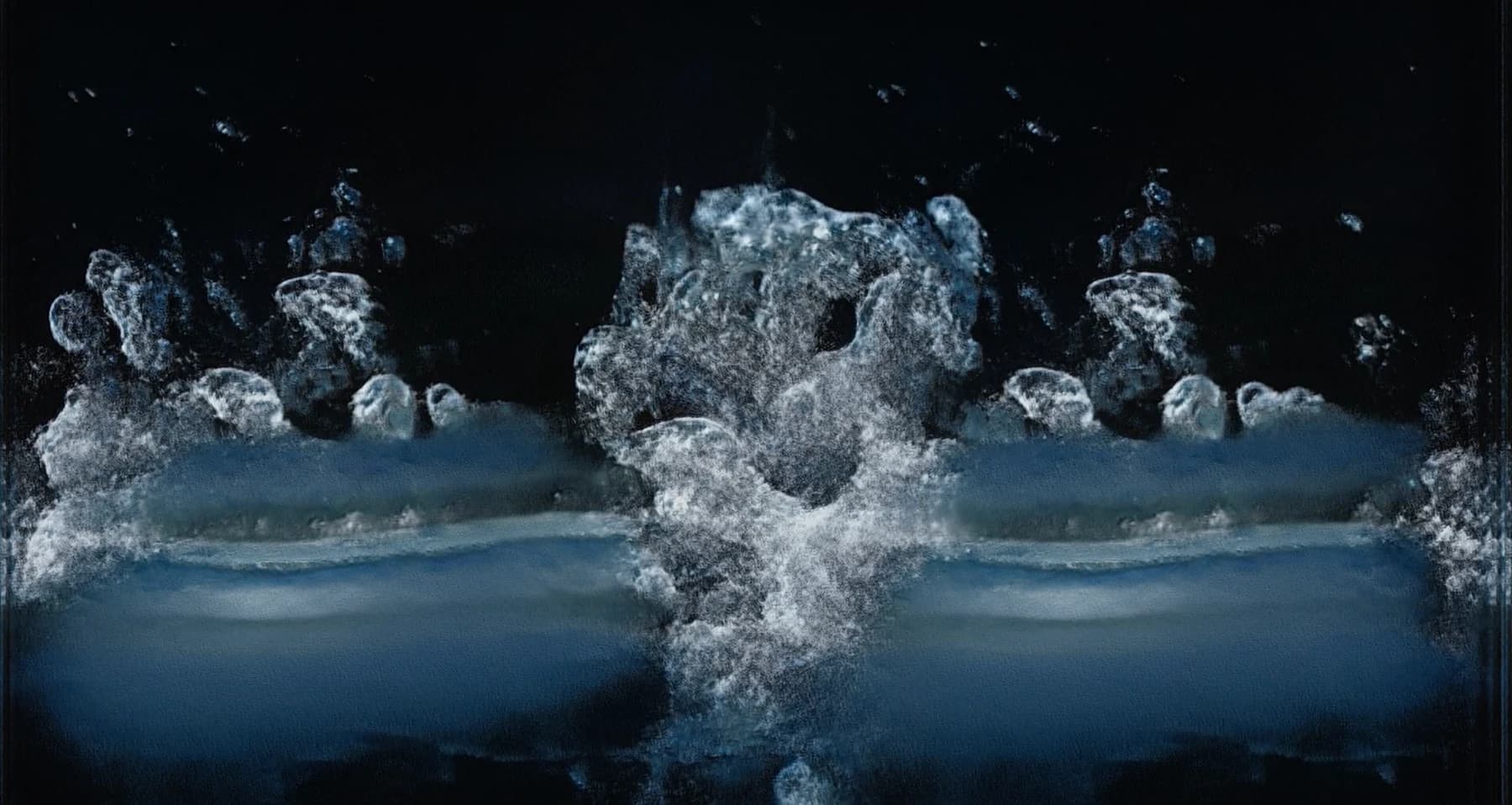
Ivona Tau, PhD is a new media artist from Vilnius, Lithuania, who works with neural networks and code in experimental photography and motion painting. Her goal is to find and evoke emotions through artificially intelligent tools. She creates universally relatable memories by transforming her experiences captured on analog and digital film through generative neural networks (GAN). Tau comes from the intersection of arts and technology, with 15 years of combined experience in professional photography and A.I. research. She was awarded the best award in the Digital Ars 2020 contest for art created with AI, the Computer Animation category award in Computer Space International Computer Art Forum 2021, and elected as one of the TOP 10 Women in AI 2022 by the Women in Tech Foundation. Tau's work has been exhibited widely, including Art Basel Miami Beach, SCOPE, CAFA, Art Week Shenzhen, Vellum, Bitforms New York, Venus Over Manhattan, The House of Fine Art, Bright Moments Berlin, Christie's New York and Sotheby's New York. Her work has been acquired by ZMK Museum of Contemporary Art in Germany & Francisco Carolinum Linz in Austria. Ivona Tau is active in the research community and holds a PhD in Artificial Intelligence from the Polish-Japanese Academy of Information Technology. She published multiple scientific papers in the field of Computer Vision and Artificial Neural Networks. Ivona Tau is currently represented by MTArt Agency.
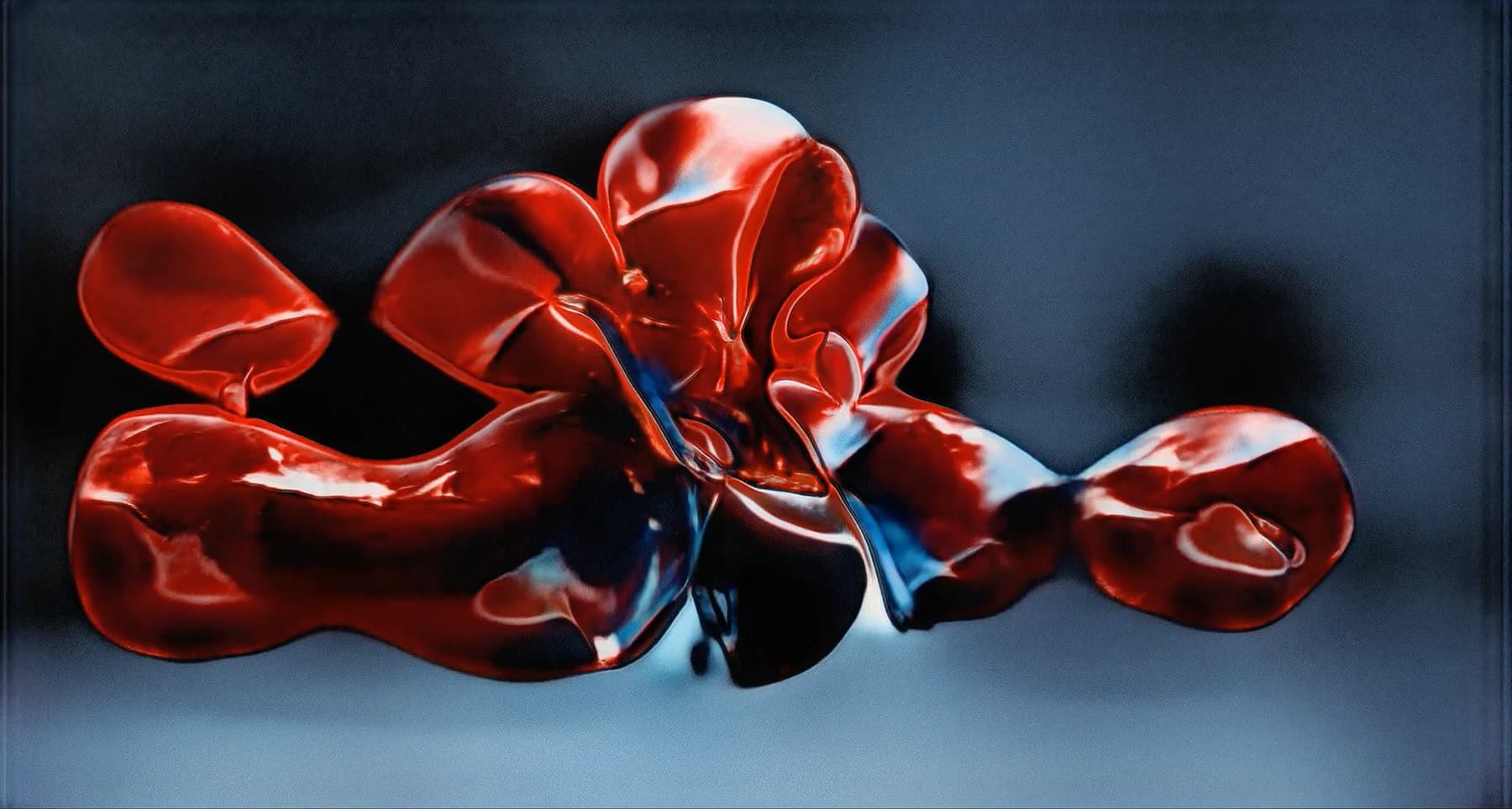
2025
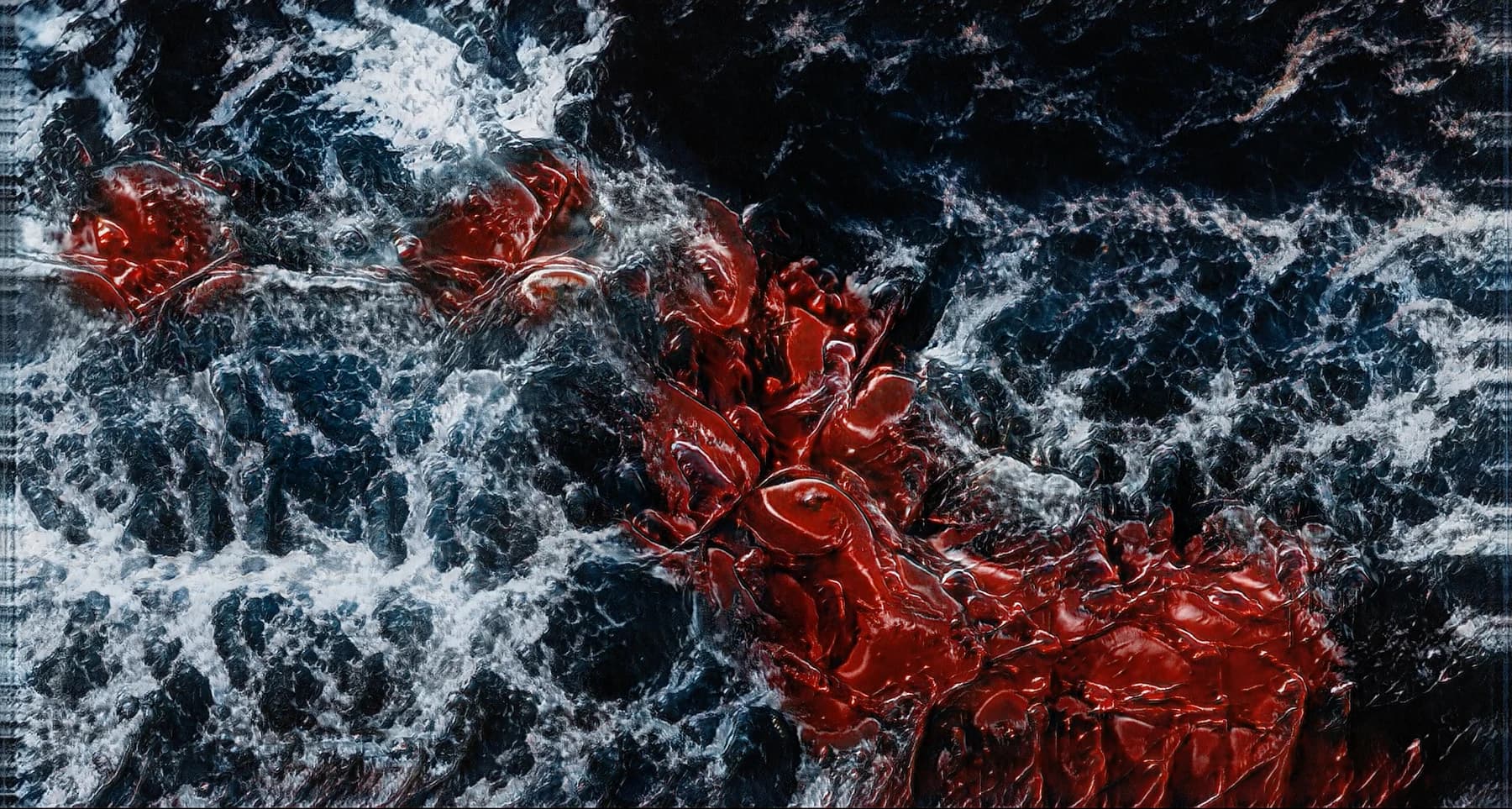
Generative Adversarial Network (GAN), infinite loop
Network trained on custom imagery of water and plastic materials.
Archival pigment print on 350 gsm Hahnemühle Museum Etching cotton rag paper, 90 × 48.1 cm.
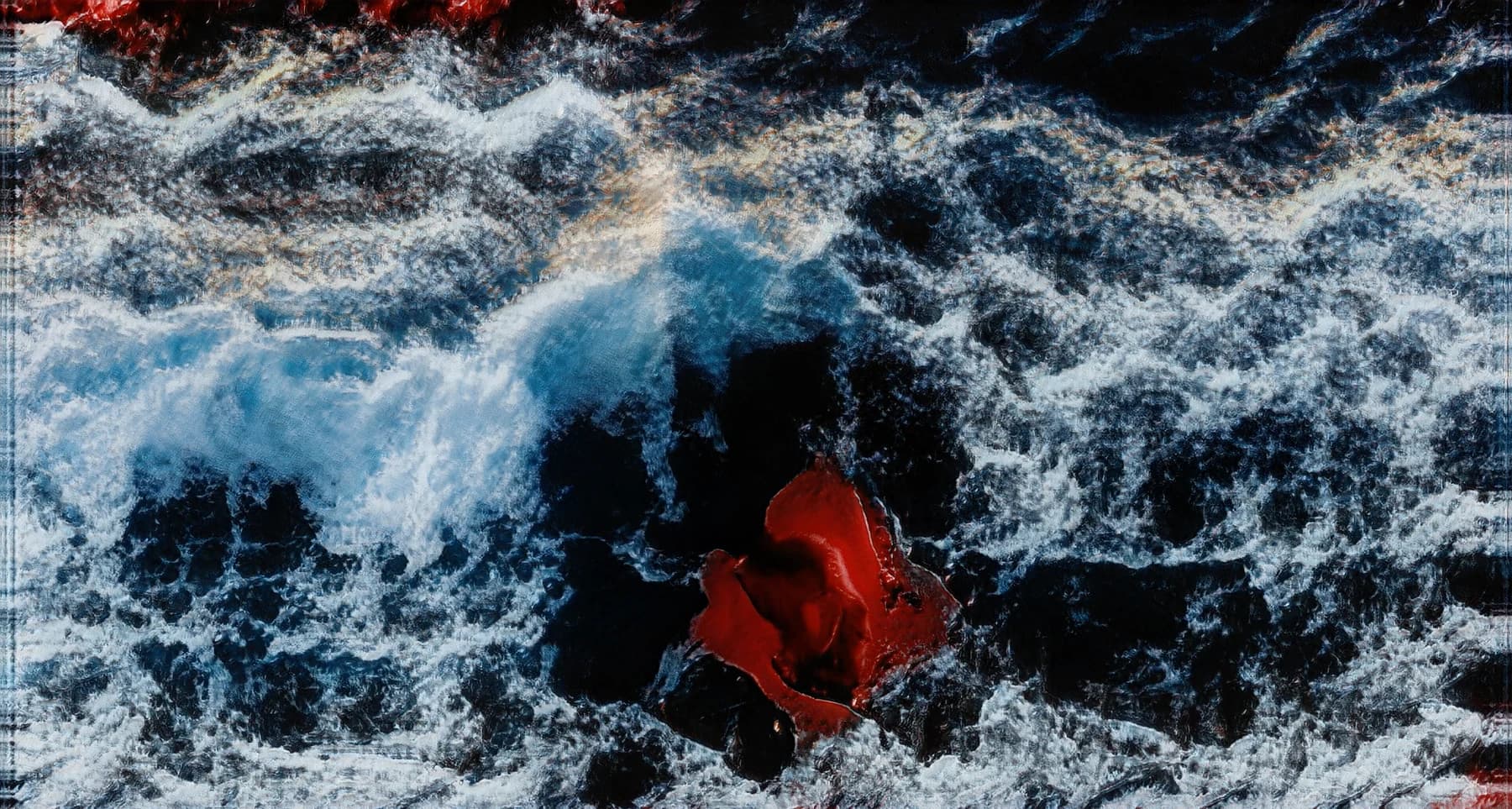
2025
Generative Adversarial Network (GAN), infinite loop
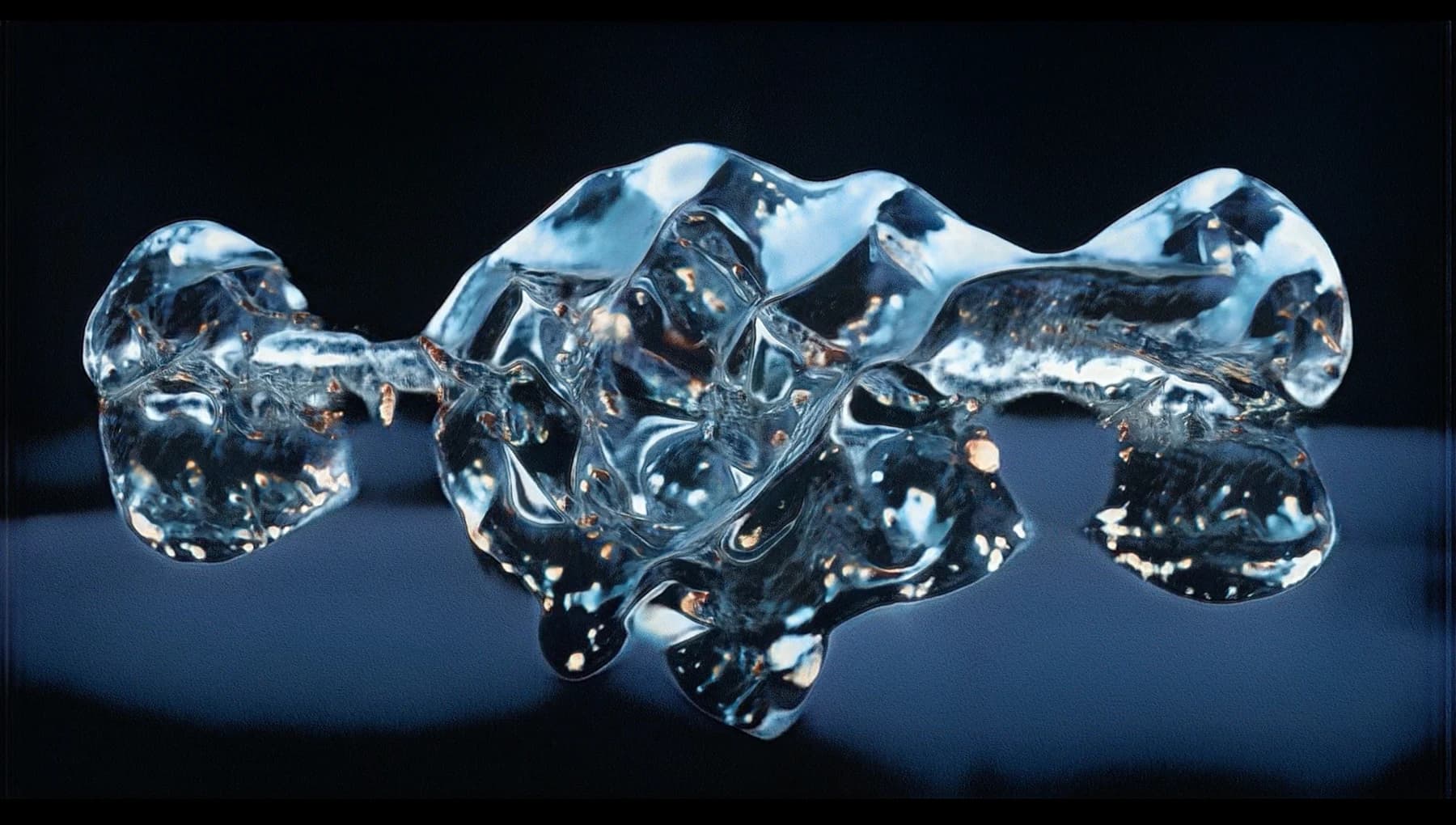
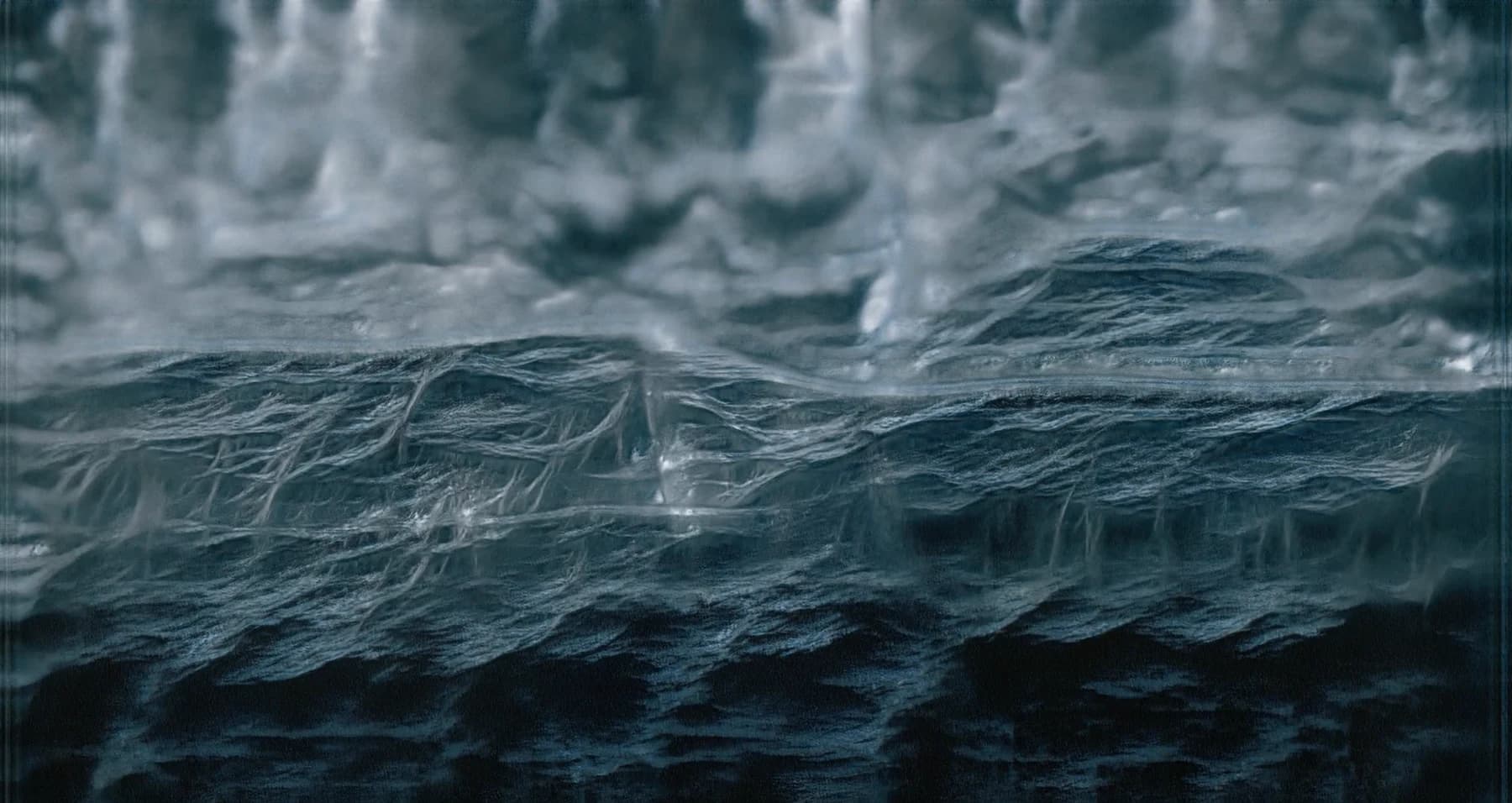
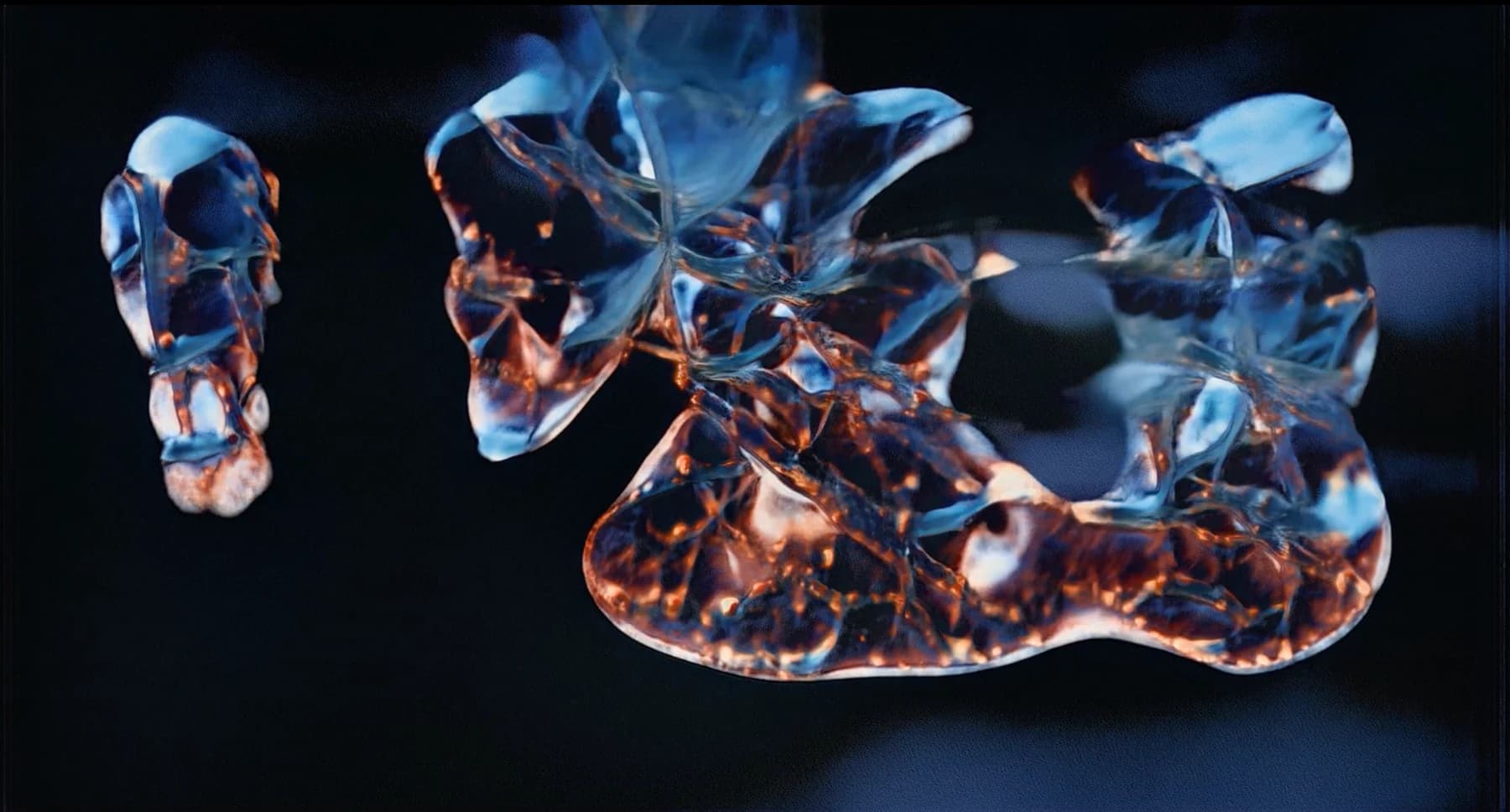
2025
Generative Adversarial Network (GAN), infinite loop
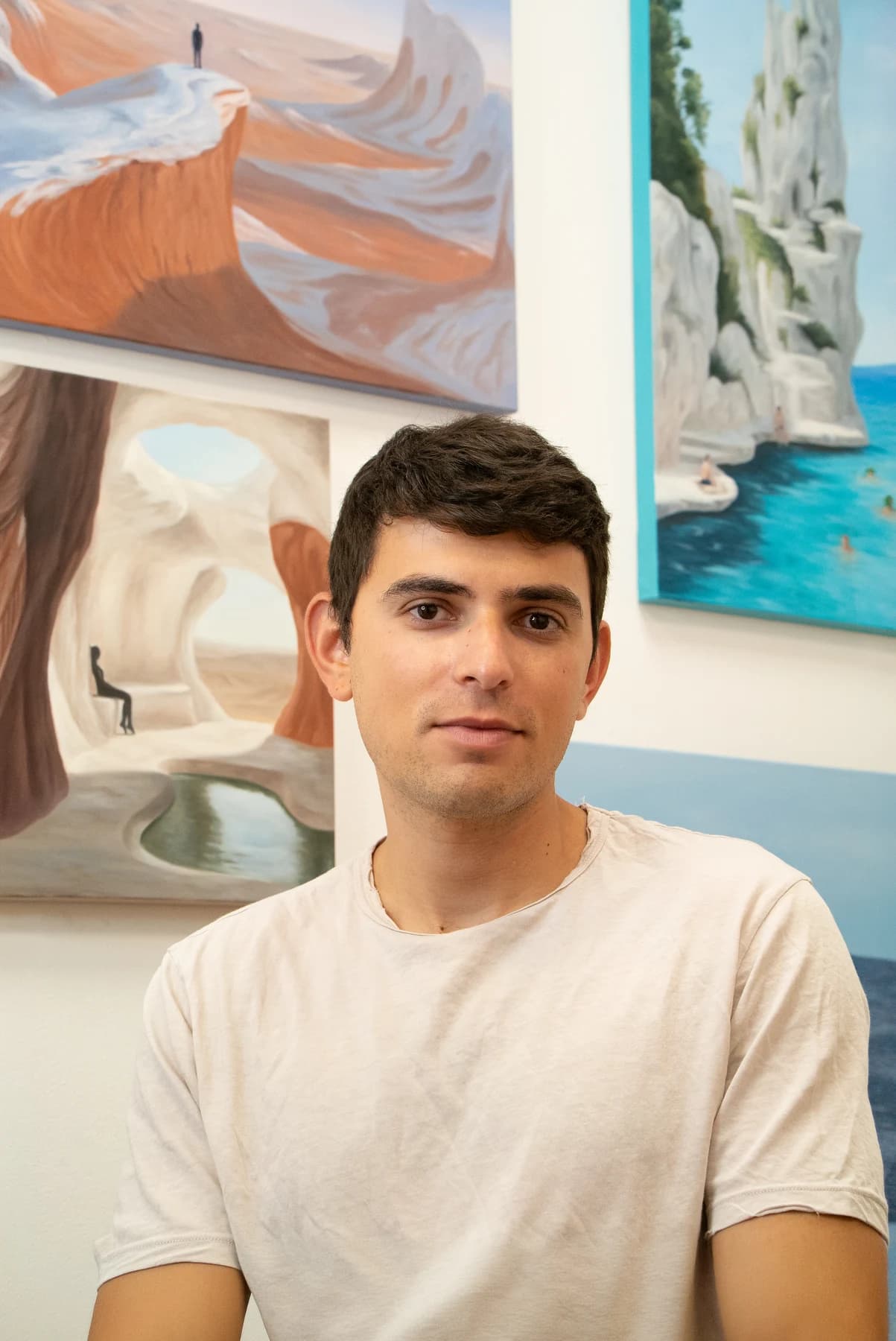
Alec Waxman (b. 1997, New York) is an American-Israeli painter and creative technologist based in London, drawing on a background as a software engineer to explore the relationship between human beings and the natural world in an increasingly digital age. His paintings depict vast, otherworldly landscapes populated by small, anonymous figures and dreamlike architectures, drawing on the visual languages of Romanticism and Surrealism.
His process begins with photographs taken during travels into nature, which he transforms in the studio into digital renderings using Photoshop and generative AI, fragmenting and reimagining real places into environments that feel both possible and improbable. These renderings then serve as the source material for his paintings, translating the digitally constructed worlds back into physical, material form.
Waxman holds a BA in Computer Science and Art History from Duke University and is currently pursuing an MA in Painting at the Royal College of Art.
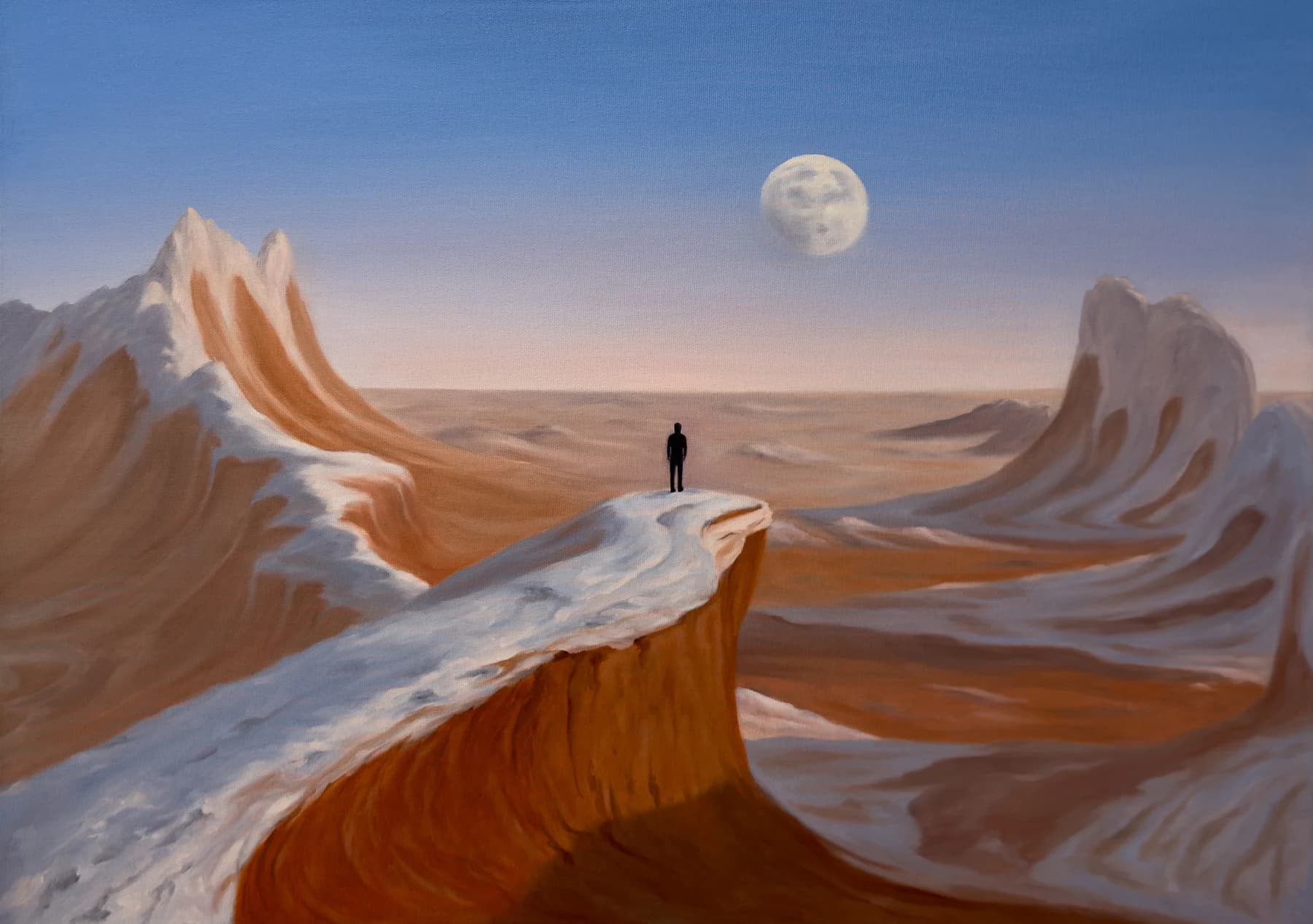
2026
Oil on canvas
50 × 70 cm
Painting and associated video
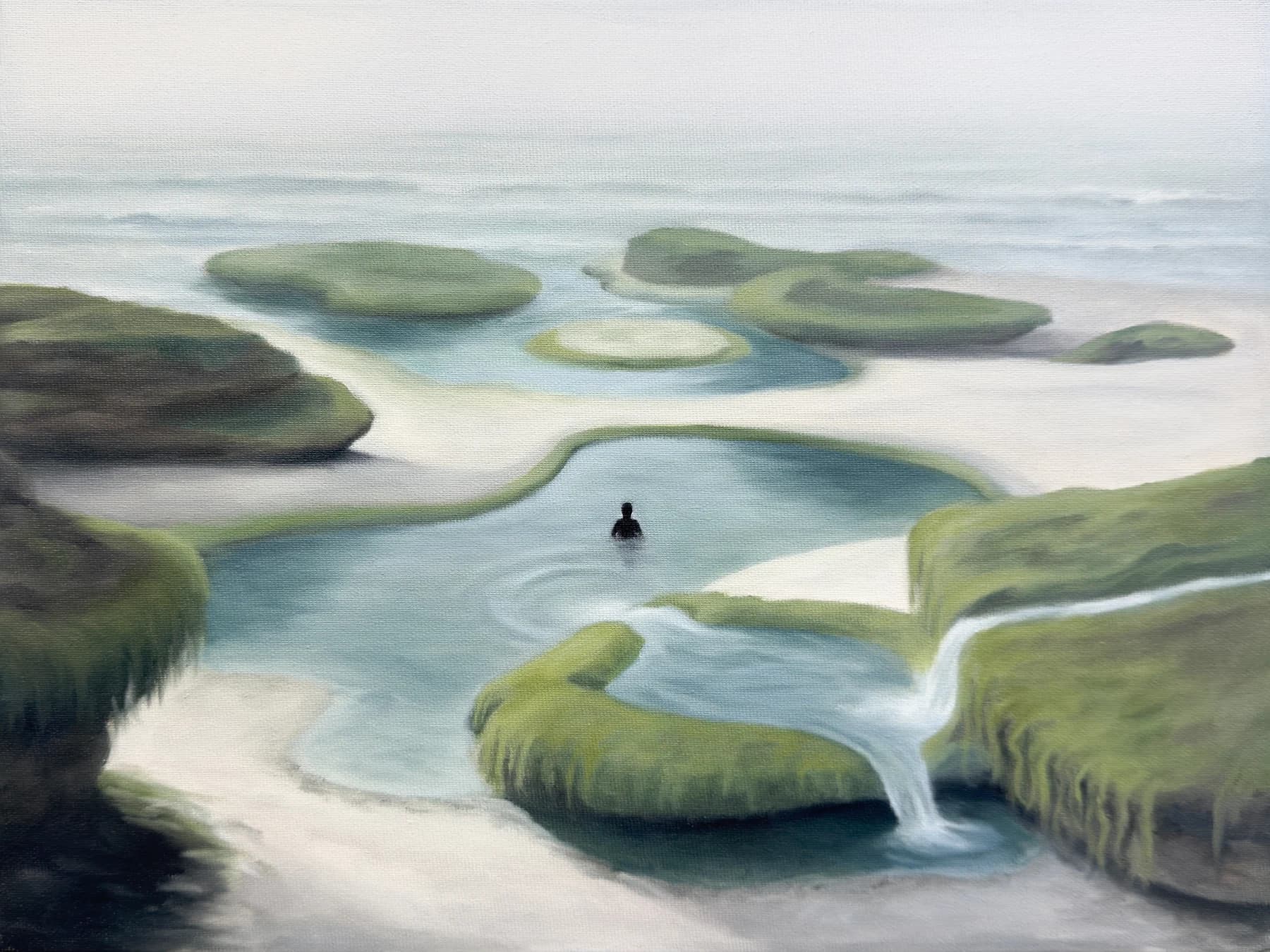
2026
Oil on canvas
30 × 40 cm
Painting and associated video
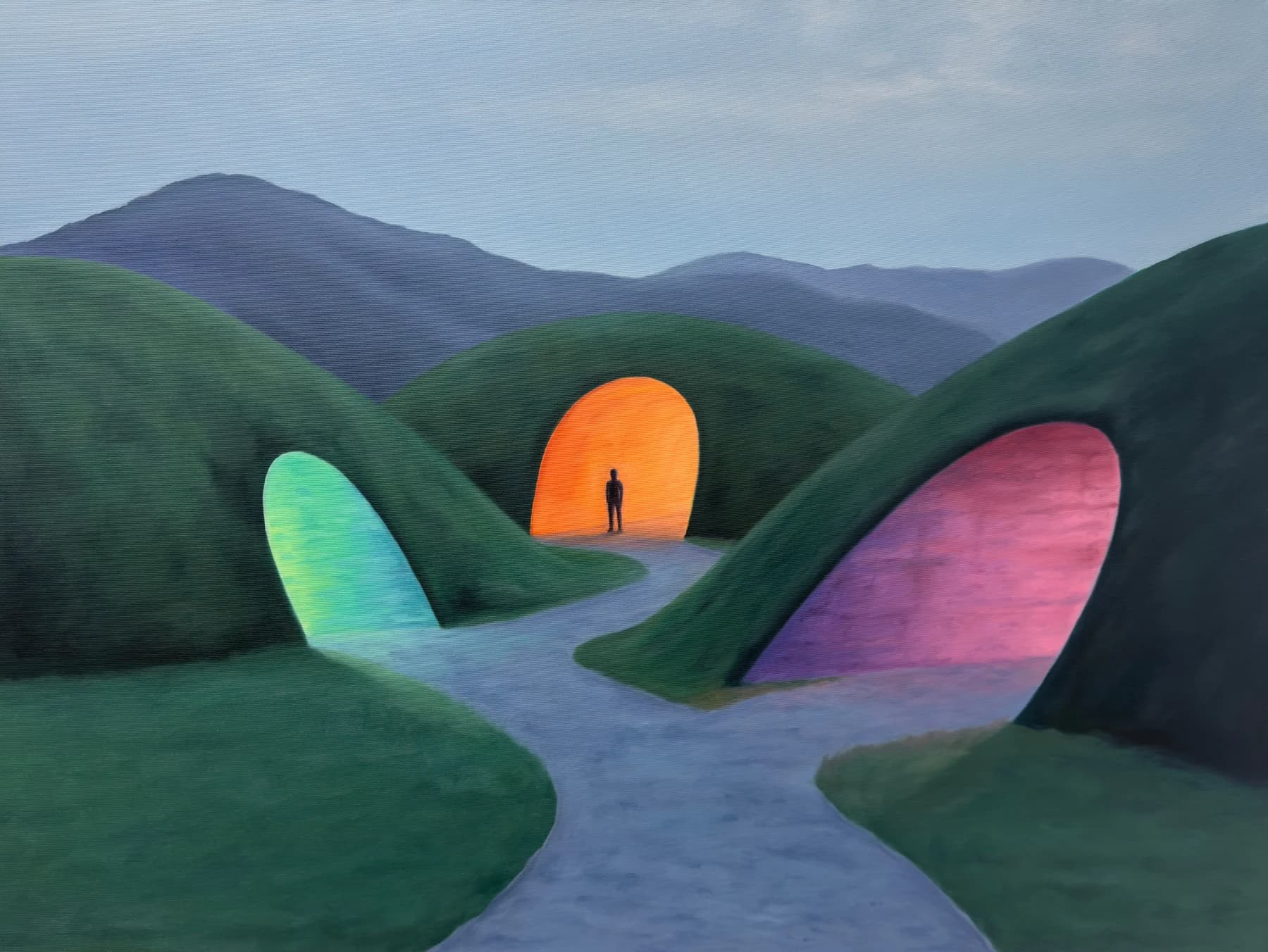
2026
Oil on canvas
60 × 80 cm
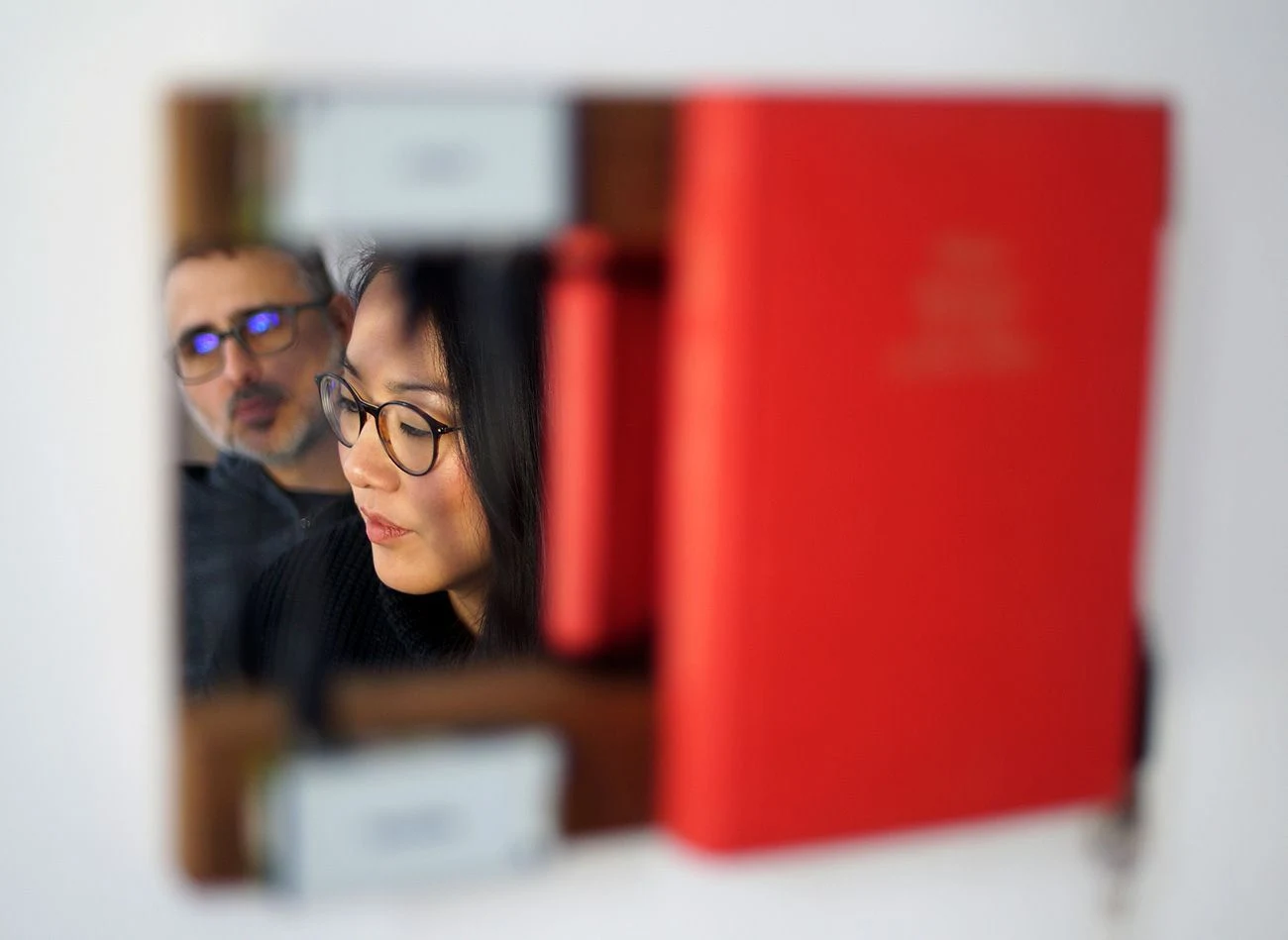
Kalen Iwamoto and Julien Silvano are the art couple behind Wen New, an atelier that dwells in the liminal space between art, language and technology. Their polysemic works, at once playful and critical, lay bare the ambivalence of contemporary digital life and advance alternative ways of imagining, using and relating to text and technology.
Through conceptual prisms such as speculative literary devices, the design of imperfection, or performance writing, for example, the duo researches and experiments with unconventional reading and writing practices that open up our experience with text, while employing detournement to subvert and reframe meaning to reveal hidden structures within language and technology.
This research and practice are born out a dialogue between the duo's individual propensities and preoccupations. Julien Silvano, who holds an MFA (DNSEP) from the school of Fine Art in Grenoble (Ecole Superieure d'Art de Grenoble), has tinkered with technology and sculptures from an early age, while Kalen Iwamoto, raised between two languages and cultures, embraces ambivalence and play in her relationship with language to explore its structures as both constraint and possibility.
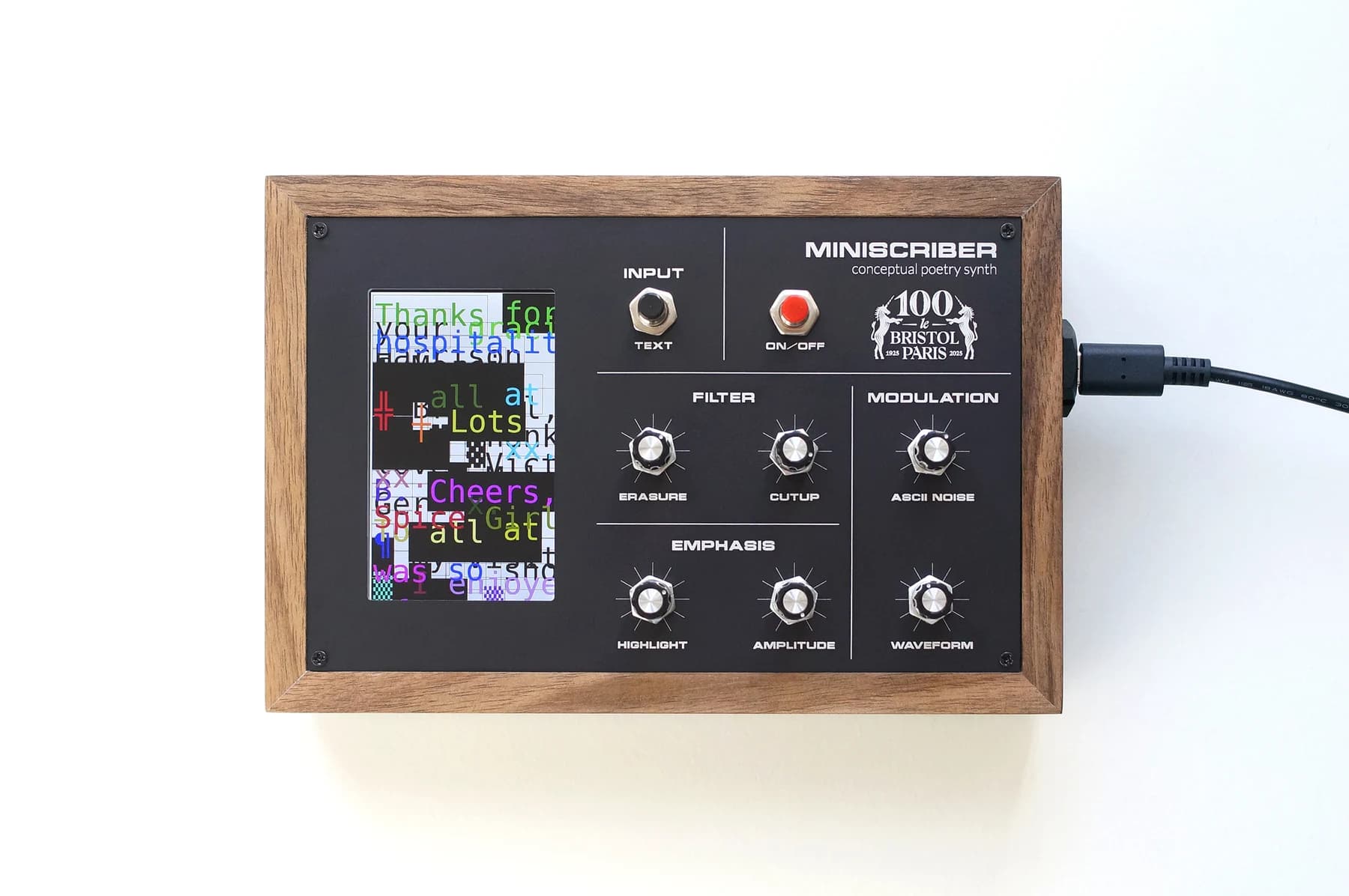
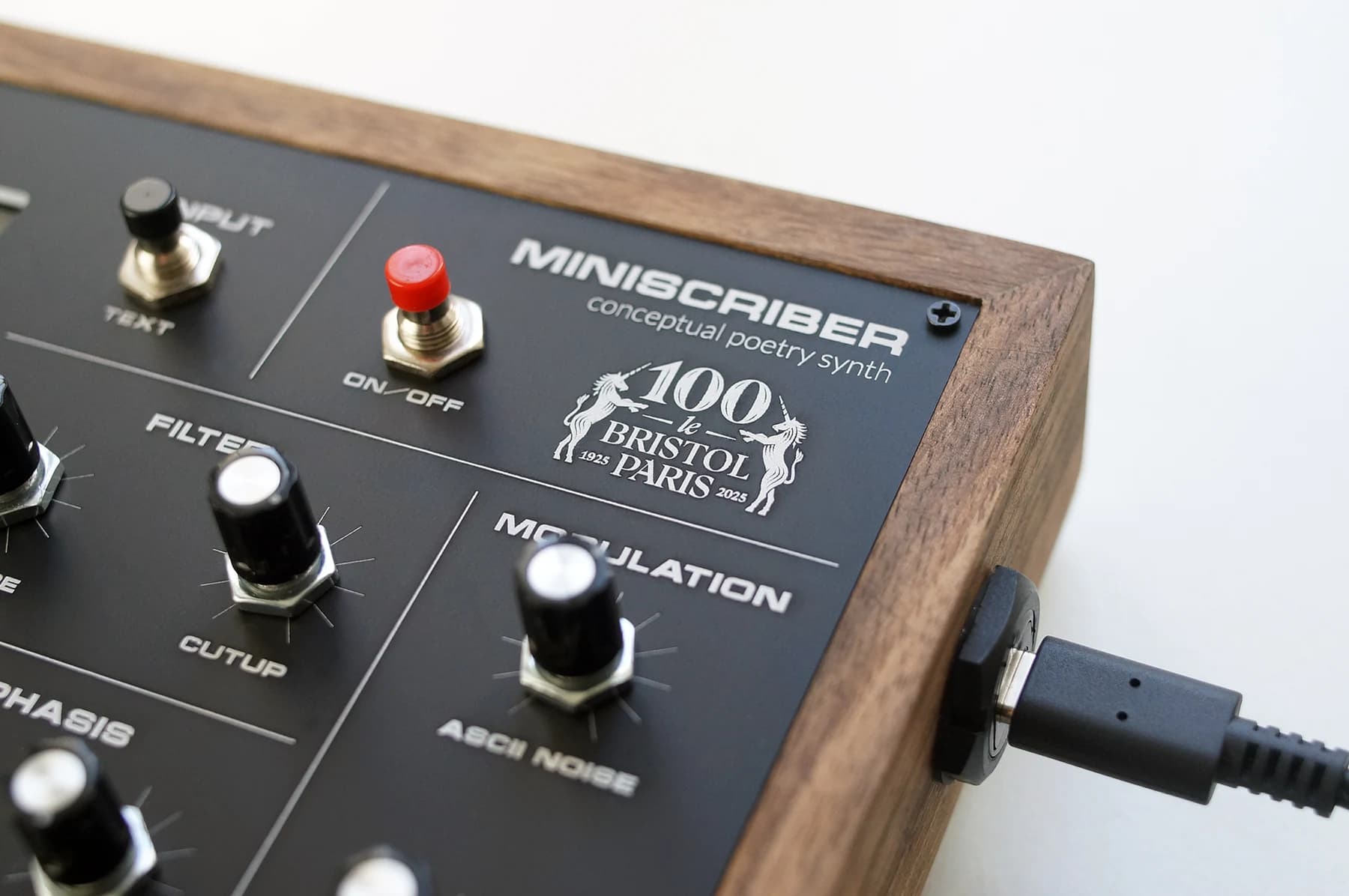
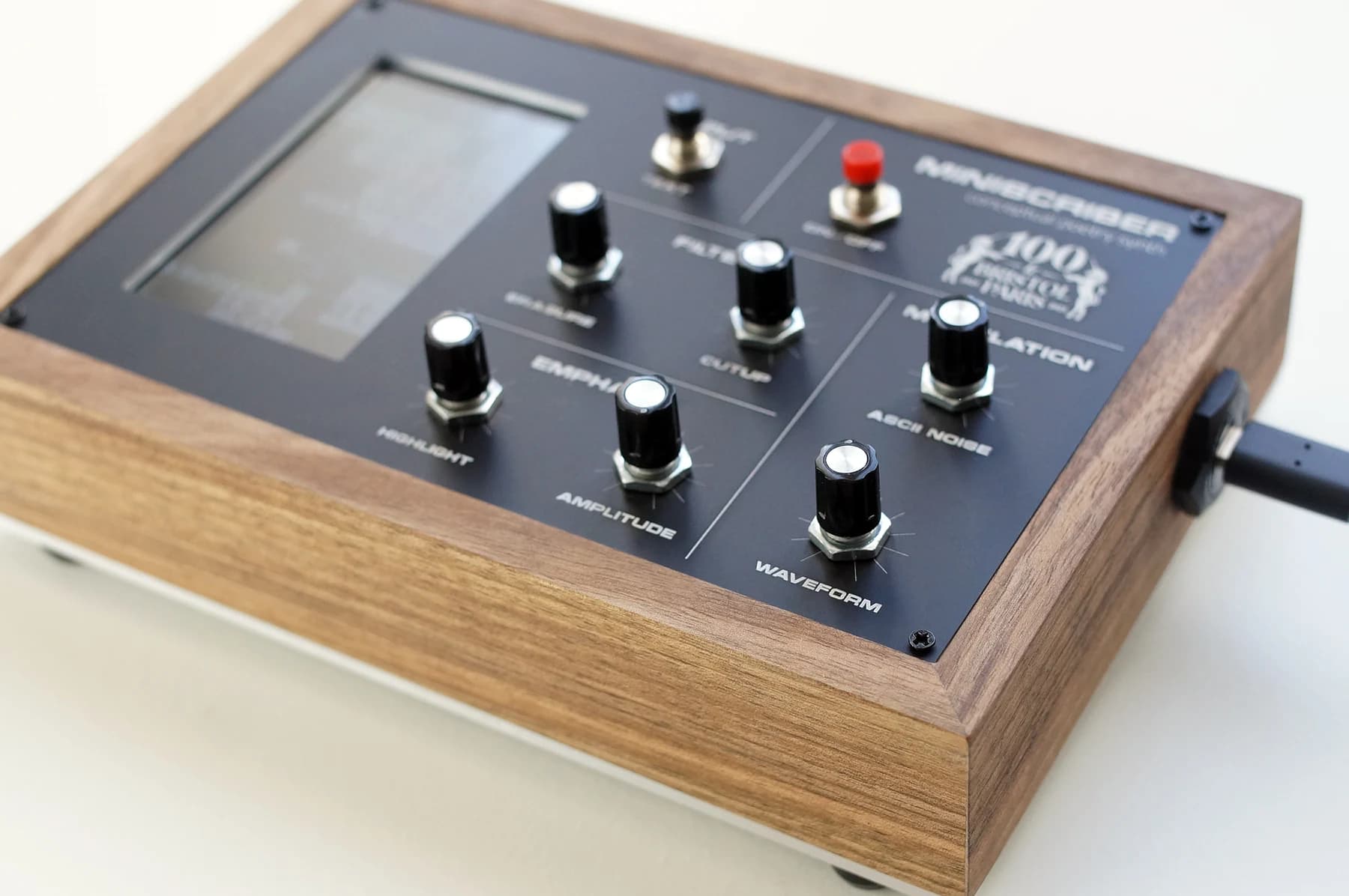
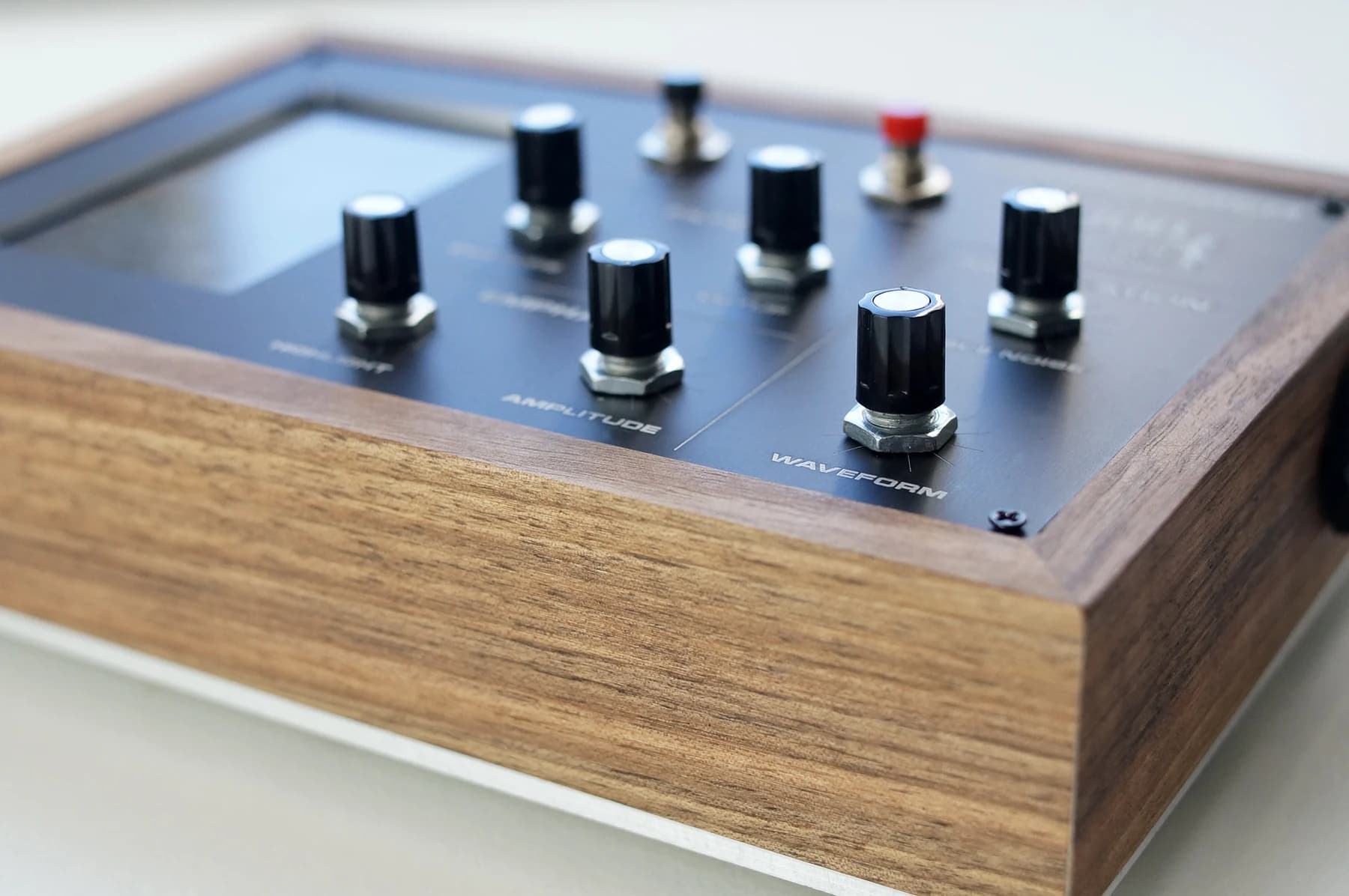
2025
Wood, 3.2-inch screen, knobs, cables, Raspberry Pi and analog-to-digital converter.
17.8 × 12 × 4.2 cm
Unique work (1/1)
2026
Pigment print on Hahnemühle paper
44 × 44 cm, including wood floater frame
Unique work (1/1)
2026
Pigment print on Hahnemühle paper
44 × 44 cm, including wood floater frame
Unique work (1/1)
2026
Pigment print on Hahnemühle paper
44 × 44 cm, including wood floater frame
Unique work (1/1)
2026
Pigment print on Hahnemühle paper
44 × 44 cm, including wood floater frame
Unique work (1/1)
2026
Pigment print on Hahnemühle paper
44 × 44 cm, including wood floater frame
Unique work (1/1)
2026
Pigment print on Hahnemühle paper
44 × 44 cm, including wood floater frame
Unique work (1/1)
2026
Pigment print on Hahnemühle paper
44 × 44 cm, including wood floater frame
Unique work (1/1)
2026
Pigment print on Hahnemühle paper
44 × 44 cm, including wood floater frame
Unique work (1/1)
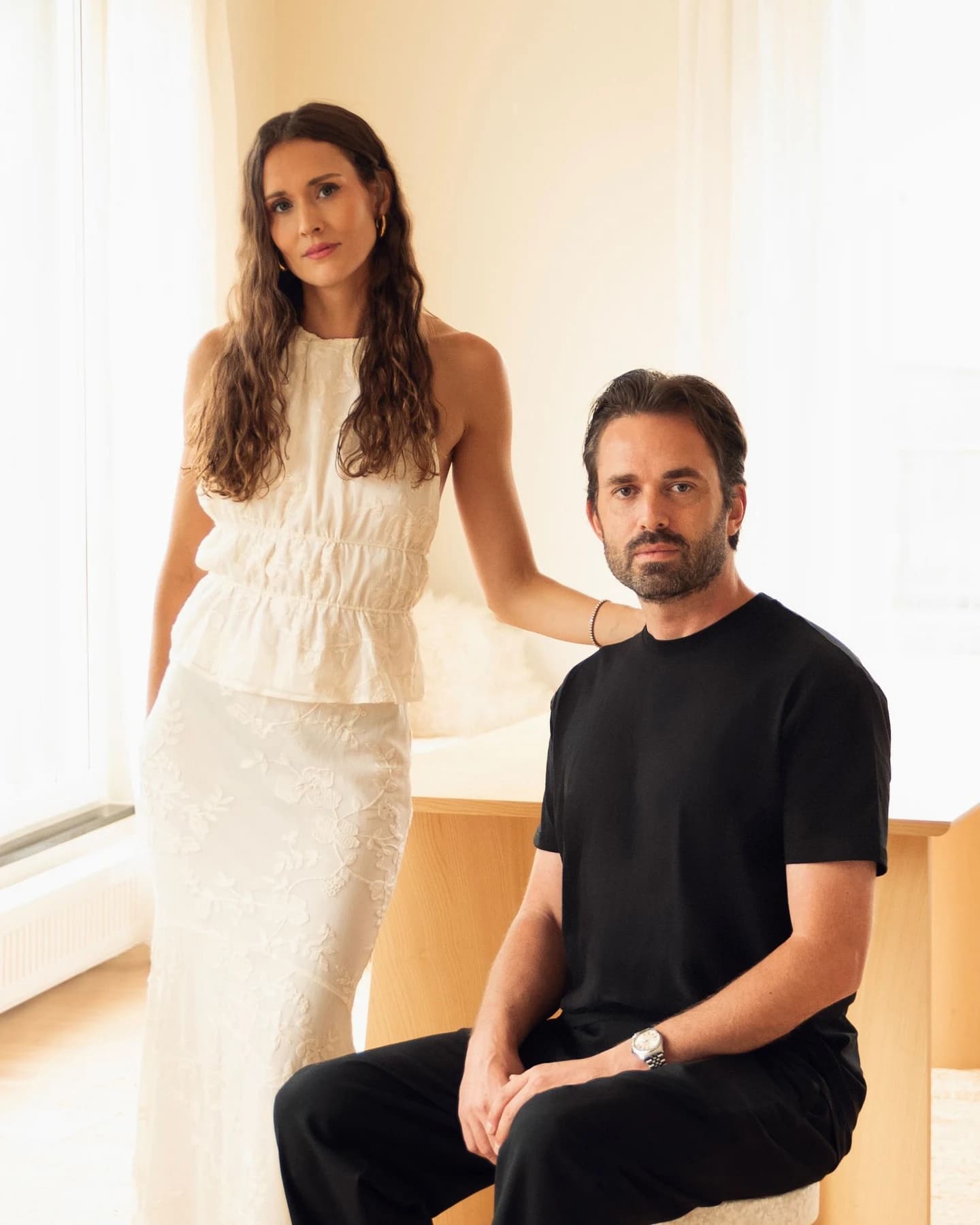
Ryan Koopmans (b. 1986) and Alice Wexell (b. 1992) are Sweden-based artists whose collaborative practice explores the evolving relationship between architecture, nature, and time. Working together for the past fifteen years, they create works that merge photography, motion, digital reconstruction, and sculptural form to reimagine built environments as living, transformative, and imaginative spaces. Koopmans is a Dutch-Canadian lens-based artist whose work examines architecture, society, and the natural world through geometry, repetition, and colour. Wexell is a Swedish digital artist whose background in animation, coding, and emerging technologies informs the duo's distinctive approach to constructed environments that blur the boundary between the real and the imagined.
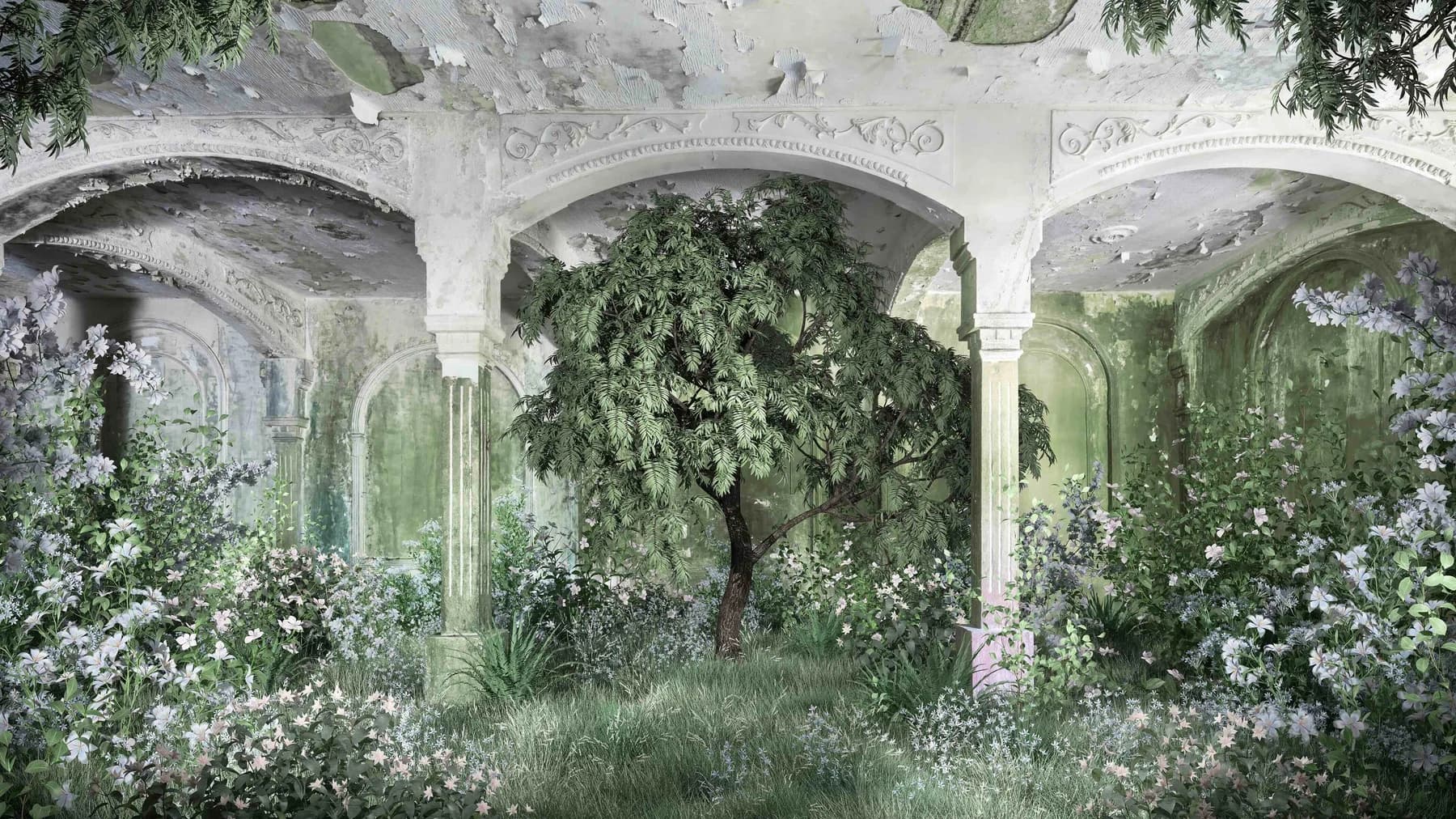
Together, they are best known for The Wild Within, an acclaimed body of work that digitally revives historically significant and often abandoned interiors through the introduction of vegetation, light, and motion. Their work has been exhibited internationally and is held in leading private and institutional collections.
2025
Time-based media, infinitely looping
UHD: 3840 × 2160
Edition of 3
Includes archival pigment print mounted on Dibond, framed in wood, 2026.
127 × 226 cm
2025
Time-based media, infinitely looping
UHD: 3840 × 2160
Edition of 3